S1-04: Connecting with students and caregivers in the science classroom: Ryan Rudkin

Promotional graphic for "science connections", season 1, episode 4, featuring a smiling woman named Ryan Rudkin, themed with science illustrations like atoms and a globe, highlighting how to engage students

In this special episode, our host Eric Cross sits down with veteran middle school teacher Ryan Rudkin. Ryan shares her expertise after almost two decades in the classroom, discussing ways to incorporate aspects of problem-based learning into the K–8 science classroom. Eric and Ryan talk about how to increase parent engagement, involve community members, and add excitement to lessons.

Explore more from Science Connections by visiting our main page.

Download Transcript

Ryan Renee Rudkin (00:00):

I know there’s other goals in mind, you know, standards and test scores. But at the end of the day, I wanna come back and I want them to come back.

Eric Cross (00:35):

My name’s Eric Cross, host of our science podcast, and I am with Ryan Rudkin, middle-school teacher out here in California just to the north up near Sacramento? El Dorado Hills?

Ryan Renee Rudkin (00:46):

Yeah. 20 miles east of Sacramento.

Eric Cross (00:49):

Nice. And I am down here in San Diego. And so Ryan, to start off, what I wanna do is ask you about your origin story, like a superhero. So how did you become a middle-school science teacher to become part of this elite profession of science folks that get to do awesome things with kids?

Ryan Renee Rudkin (01:08):

I would agree with you that it is definitely an elite profession. I got my credential and I thought I was gonna teach third or fourth grade elementary school. And the second day I got called for a sub job for middle school. And I just thought, “We’ll take it,” you know? And by second period, I knew: This is where I belong. The kids, middle school, students are just a species of their own. And you have to appreciate them. And if you do appreciate them, then you’re in the right spot. And I quickly looked at my coursework and I was able to get authorizations in science, history, and English, and I love science. So I chose science. And the rest is history. It’s been a wild ride and I wouldn’t have changed or asked for anything different. I love it.

Eric Cross (02:02):

I definitely agree with you. So, your history—you’ve been in various middle-school classrooms. Can you tell us a little bit about that? What classrooms have you been in? What disciplines of science have you taught or are currently teaching?

Ryan Renee Rudkin (02:14):

I was hired for seventh grade life science, and then I did that for a few years and then I got moved into eighth physical science, and I was there for 12 years. Love eighth grade science. I love eighth graders. Chemistry and physics are my favorite. There’s just so much opportunity for just awesome labs, great conversations, student discourse, all of that. And then the past three years I’ve been in sixth grade and now we’re integrated. So,a sixth grade integrated science and I also teach social studies and a technology design class.

Eric Cross (02:52):

Oh, nice. What do you do in your technology design class? That sounds cool.

Ryan Renee Rudkin (02:56):

Right now it’s mostly internet media and we use WeVideo, it’s an editing-video program, and we produce and put on our school weekly news bulletin. And then we weave in other projects. We do some interdisciplinary projects. Right now my students are working on a mythology God, Goddess, and Monster project that relates to our social studies curriculum. And we’re learning about Greece. So yeah, we just try to give them added projects and they’re using the WeVideo platform. By sixth grade, they’re coming to us now with wonderful skills with all the tech. I mean, if I need help, I ask them like, “How do you do something on Google Docs?” Or, “How do you do something on Drive?” The kids are definitely tech-savvy.

Eric Cross (03:49):

They must love being the teacher in the classroom. They get to—it kind of switches power roles, where they get to teach the teacher something.

Ryan Renee Rudkin (03:56):

Yes. And especially WeVideo, sometimes we’ve had some hiccups, and the kids show everybody, and that’s part of the design class. They’re trying to solve—we’re teaching them how to solve their own problems. So if there’s any kind of issue with anything with the technology, honestly, I usually tell them, “Go ask a friend,” or we kind of shout out, “Hey, who knows how to troubleshoot this?” And the kids are eager to help each other, which is nice.

Eric Cross (04:21):

And they have this authentic experience where they’re actually doing real problem-solving, as opposed to something that we manufactured. Like, those are real things that we have to deal with in life. And that’s exactly like how we solve it, right? We just go ask people! We look it up, and the ahas are genuine too. Throughout!

Ryan Renee Rudkin (04:36):

Yes, especially thinking on the fly. Especially yesterday, I was in the middle of teaching and my laptop froze, and it’s like, “OK, everybodytake a couple minutes, you know, work on this, this, or that while I switch out laptops!” And so I’m modeling, too, how to solve my own problems. And I think it teaches the kids how to do that too.

Eric Cross (04:59):

I’ve always thought it was interesting that when teachers get to teach in real time, how do we handle stress and frustration when it’s really happening? And I think the tech—at times, failure is the real one where you feel this chill or this sweat that kind of comes over you and you’re trying to present or cast or the video won’t play and things like that. I think I’ve done enough times in my years of teaching where now my students know what to do, or they want to come up and help, and we’re good with it. But I remember in the beginning when those things would kind of glitch or go wrong or the wifi goes down, and you’re like, OK, what do we need now?

Ryan Renee Rudkin (05:33):

I think it’s honestly, after the fact, when I think in the moment, I’m not thinking of feeling stressed, but just afterwards, then I’m like, “Oh my gosh, this has just been a wild day.” But yeah, you just have to kind of go with it. And that’s just the beast of middle school. I just added to the list of why we love it.

Eric Cross (05:53):

You said something about interdisciplinary work, and I wanna kind of ask about that. Because it sounds like you’ve had your hand in several different areas of science and grade levels. Working, doing design courses, working with tech. Are there certain lessons that are your favorites to teach? The ones that you really enjoy, or that no matter what, you’re like, “We need to do this; this is such a rich experience for students”?

Ryan Renee Rudkin (06:17):

Yeah. I definitely try to do lessons or activities along the way. I like to do projects at the end of my units. When I taught physics, we did a project and it was mainly an assessment tool called the Wheeling and Dealing. The kids, they would all get a different car. And then they to sell their car. And so they had to pretend to be a car salesman, and they did that with their knowledge of the physics unit. So everything we did on forces and speed and motion. So I like doing culminating projects like that. And you’re kind of tricking them into assessing them.

Eric Cross (06:57):

When I think about your car salesman project, I’m thinking of a bunch of students, but they’re like on Shark Tank, but they’re just littler versions. And they’re doing these sales pitches, but they’re speaking in scientific terms as they’re trying to do it. Do you record these or do they just exist in the classroom?

Ryan Renee Rudkin (07:12):

No…And that was a long time ago, when I taught eighth grade. I wish I had; I wish I had recorded. That was definitely—it was fun, ’cause the kids, they would get their little piece of paper and they—some of ’em didn’t know what car it was. And so they’re like “A Boo… A Boo-gatti? What’s a Boo-gatti?” And then someone from across the room would be like, “Ooh, I want it! Here, I’ll trade you my Ford Focus!” And <laugh> so they would kind of wheel-and-deal which car they would…and then once they got their choice, then they would do the project.

Eric Cross (07:44):

So they’re really embodying this persona of a car salesman. The wheeling and doing back-and-forth and trying to trade a Bugatti for a Ford Focus. <Laugh>

Ryan Renee Rudkin (07:53):

I know. <Laugh> I like to make my class, my learning environment, enjoyable. You know, I gotta be there; they gotta be there. So I know there’s other goals in mind—you know, standards and test scores—but at the end of the day, I wanna come back, and I want them to come back. And I just have that as a priority.

Eric Cross (08:18):

Well, based on the projects that you’re doing and the way that you approach education with students, I can see why middle-school students would want to come back, even if they had the option not to. Just because of the cool things that you’re doing. Now we’re on this—hopefully, fingers crossed—tail end of COVID in the classroom and schools, and I know it’s impacted all of us differently. Has student engagement changed since COVID and if so, how, and what have you done in these last two years to maybe adjust your approach, to continue that engagement and that richness that you provide for your kids?

Ryan Renee Rudkin (08:57):

I definitely—I think for me, I recognize that when the students are in my classroom, I want them to, I dunno, for lack of a better word, just escape the noise at home. And I know we’ve always had students that are going through divorce situations or their dog died, other things, but I think with COVID, it’s definitely been compounded. And just creating a safe place for the kids to want to be and…it’s hard. We’ve had a lot of students that have been out, absent, for various reasons and on quarantine. And they’re struggling with doing work from home, ’cause their parents are stressed and their parents are dealing with their work issues. And so I think just having grace for the kids and just keeping…I don’t know, I guess like I said, I’ve always had student engagement as top of my list.

Eric Cross (10:06):

It sounds like—the things I hear you say really have to do with who these students are as people.

Ryan Renee Rudkin (10:12):

Yeah.

Eric Cross (10:13):

And then as a second, who they are as students. How do relationships fit into your engagement? ‘Cause I’m hearing this connection that you seem to be making with kids as you’re talking about things that are beyond academics: their home life, how they’re impacted.

Ryan Renee Rudkin (10:28):

Yes.

Eric Cross (10:28):

Is there anything that you do to build these relationships, or to connect with your students, to make them feel wanted or feel connected to the classroom or to you?

Ryan Renee Rudkin (10:37):

Yeah, I do. I do a few things to build those connections. And again, this timeframe in their life is so out of their control, their peer relationships, relationships with their parents. And when they’re in my classroom, I want them to feel loved and appreciated. Something I do it’s called Phone Fridays. And in one of the social media groups, someone posted about it, and I’ve been doing it for over a year now, actually. So on Fridays I call parents and give good news. And so I’ll pick maybe one or two students. And it could be academic reasons. It could be behavior, I’ve seen a slight improvement of behavior. Maybe a role model in the classroom. And my goal is to get everybody every trimester. So everybody gets a phone call by the end of the trimester. And it’s funny ’cause sometimes the parents are a little like “Uh-oh”! When they pick up, they see the caller ID, and their school’s calling. ‘Cause Some kids don’t get good calls. So it’s a really—I would say every single parent that I’ve called, I usually get a follow-up email, either to me or my admin, just saying it’s such a cool idea I do this; thank you so much. And yeah, I just call and give good news and just put ’em on the spot. And usually the kids are a little embarrassed, but you can tell, even though they’re kind of—I think they’re faking it, that they’re embarrassed! ‘Cause You know that they got the Phone Friday, and everybody’s like, “Who’s gonna get the phone Friday?!” And so it’s a very big deal in my class.

Eric Cross (12:07):

What a great way to—I mean, it seems like that hits on so many levels. You’re making these positive calls home. You’re praising publicly, which a lot of times can happen where students can get criticized or redirected publicly and then praised privately, which is a lot of times the reverse what we should be doing. But here you are praising them publicly. And then you’re not only building a relationship with yourself, but you’re also connecting them with their parent or whoever is caring for them, because now when they go home, there’s this, “Hey, your teacher called; you’re doing awesome!” So it’s this kind of triangle that’s forming there. I think that’s super-cool and a great thing for teachers to do.

Ryan Renee Rudkin (12:45):

It takes, you know, the last five minutes of my class. I do it every class. And then I have a system. Like I said, I keep track of all the kids. That way, by the end of the trimester I’ve gotten everybody. Sometimes I let the students, whoever I call first, then I let them pick a peer and I tell them, “OK, we have to have a solid reason. Why are we calling?” And a couple times they’ll have a student, like one of my energized ones, they’ll raise their hand. “How About me? How about me?” And I and the kids kind of laugh a little and I said, “Well, how about this? Let’s make a goal. How about next week we’re gonna make a goal and we’re gonna have a reason to call home.” So just working on the kids that need a little push in the right direction. That’s other reasoning to it. But yeah, it’s fun. I love it.

Eric Cross (13:33):

And you have the community. You have this goal setting. We were talking a little earlier about this transition—so you’re becoming this…your school’s going through the IB process, is that right?

Ryan Renee Rudkin (13:44):

Yes.

Eric Cross (13:44):

And we were talking about the ATL skills and one of them is goal-setting management. You already kind of organically do this in your classroom, which is really neat. I know being an IB teacher, a lot of times I find the things that I’ve already been doing and find, “Oh, this is actually an approach to learning!” or “This is something that has a title!” I just thought it was just being helpful! Ah…So the kids are connected. You have this process where you’re calling parents; it’s working; students are involved, so it’s building this community. Now you’re engaging students. Do you have any favorite student engagement tools that you use in your classroom or when you’re teaching that you feel like you get a lot of bang for your buck? There’s so many things out there these days. And so many approaches, tools, web apps. Do you have any favorites that you use?

Ryan Renee Rudkin (14:40):

No. Nothing comes up top of my mind right now. Mostly just projects, like I said. And being excited. I think having my students see me excited about something…and I’m honest when we’re doing something that’s not quite my favorite, then I’m honest about that too. But just having my—like, we just started thermal energy this week and I told my students, I said, “OK guys, I’m gonna weave in some chemistry in there. I’m gonna weave in some particle motion,” and they’re like, “Oh! That’s when you taught eighth grade, huh!” Cause I talk a lot about when I taught eighth grade before. I don’t know, just showing my own enthusiasm, I think, is a good payoff to me. That’s a bang for your buck. Other things…I try to give ’em cool videos and Mark Grober, he’s definitely a favorite of mine I like to show my students. I like to bring in guest speakers from our community. When I taught eighth grade for physics, I always brought in a local CHP officer and they would bring in the radar and lidar guns and the kids would mark off the parking lot and they would calculate their speed. And then they would verify it with the radar gun. Two years ago when I taught math, I brought in a local landscaper company, a father-and-son outfit, and they showed the kids how they would do bids on jobs. And so, relate it to our chapter on volume and area. So just making that connection with real life. Plus it’s just a nice opportunity, too, for the community to come in. With our design class, put on our newscast. And then one of our units in our sixth grade curriculum is weather. And so I brought in a local weatheruh, chief meteorologist. And he actually talked to the students about his job as a meteorologist and then also being on the news and putting on a newscast. So we got him on our green screen and did a little like Mark Finan, you know, little cameo on our newscast for the week for school. So that was kind of cool.

Eric Cross (16:45):

They must have been excited.

Ryan Renee Rudkin (16:47):

Yeah. They’re pretty starstruck by him. So that was pretty fun.

Eric Cross (16:51):

This person was on their local news? So they would know him?

Ryan Renee Rudkin (16:56):

Yeah, he’s on Channel 3 out of Sacramento. Yeah. KCRA Channel 3, Mark Finan.

Eric Cross (17:00):

So all these guest speakers that you have…how do you reach out to these people? And you sound like you get a lot of success. Do you ever get nos? Like if I’m sitting here listening and that inspires me, but you’re getting celebrities and you see a few people…like, how do you reach out to them? And does everybody say yes? How does it go?

Ryan Renee Rudkin (17:21):

Well, usually at my back-to-school night, I always ask the parents if they have a career or hobby that could lend itself to the curriculum. And so sometimes I’ll hear about—students will talk about, like, “My mom’s a doctor.” And so I’ll reach out to parents and just say, “Hey, you know, your kiddo said, you’re a doctor. May I ask what type?” And most of the time the nos that I’ve received are just because of schedule conflicts. You just have to get creative! Look in your community and see what you have. People want to come and talk to kids. I’ve had some presentations that the person is so intelligent and amazing, but they just, weren’t very kid-friendly. I mean, that happens. Butsomeone knows someone. And just ask! I mean, it doesn’t hurt to ask to have ’em come out, come hang out for the day, with my students. Andone time I had a nurse practitioner she was in the cardiac unit. And so she brought in hearts and led a heart dissection with my students. And we did a station set-up. I’ve had elaborate ones like that, or just a mom come in to tell my students about her job as a nutritionist and relate it to our unit on metabolism. And so just did like a little 15-minute Q&A with the kids on nutrition. And I would just say, look at your community and/or post on social media. I always do that. Post in your school’s PTA groups. So the parents know someone, that’s for sure. Or someone’s retired. One time I had—I think he was a grandfather of one of the kids—he was into rocks. And he had a bunch of meteorites <laugh> and brought in his meteorites.

Eric Cross (19:15):

Bring in your rocks!

Ryan Renee Rudkin (19:15):

I know! Right? And he <laugh> just brought in his meteorite collection! I was like, sure, come on in!

Eric Cross (19:23):

That’s one of the things I love about being a middle-school teacher is that my students have such varied interests and I’ll get the Rock Kid every once in a while and he’ll come in and he’ll have all these rocks and crystals. And a lot of times there’s a grandfather that’s responsible for this inherited geologic treasure that they have.

Ryan Renee Rudkin (19:45):

Yeah, something like that—I mean rocks are not my favorites, but I don’t really tell the kids that. I was like, “Sure, yeah, come on in! We can have a whole-day lesson on rocks!”

Eric Cross (19:55):

<Weakly> “This is great!”

Ryan Renee Rudkin (19:58):

Just utilizing your resources. That’s all it’s about.

Eric Cross (20:02):

Well, I think the back-to-school night was really helpful. That’s something that’s super doable. You have a bunch of parents and you just simply ask, “Who do you know? What do you do?” And then just collecting that and then just asking people to come in. I’ve I’ve been reluctant to do it more often than I’ve wanted to, because I haven’t figured out—and maybe you can help me with this—I have three class periods a day plus other class periods that are not necessarily science. And I don’t want to dominate a person’s schedule. Do they tend to be willing to stay all day? Or do you do, one class gets it, and you record it? Like, how do you balance out the speakers with your school schedule?

Ryan Renee Rudkin (20:39):

Mostly they’ll they’ll just come for the whole day. When I taught eighth grade, I had five classes, so that was easy. That was an all-day thing. And then usually I’ll offer to call lunch, have lunch delivered, or snacks during the day. I mean—

Eric Cross (20:53):

Feeding them is key.

Ryan Renee Rudkin (20:54):

Yeah. Just something kind of nice. Donuts in the morning. I mean, you’d be very surprised. Most people that are in the field or retired, like I said, they’re more than willing to come. And even if they have to wait an hour, while you teach another class that doesn’t pertain to it, then they’ll either leave or come back or just hang out in the back and pretend to be a student during that history class that you have.

Eric Cross (21:20):

It’s my own limiting belief where I feel guilty. I don’t think about it. I need to think about it through the perspective that you do, that these people WANT to talk. I just assume everybody’s so busy. But I do know, the times I’ve had speakers come out, at the end of the day, they’re so energized or they’re so happy or they’re so grateful. ‘Cause They’re like, “This is what it’s like to teach every day?” I’m like, “Yeah, this is what it’s like.”

Ryan Renee Rudkin (21:42):

I think too, a lot of parents…usually being being in the stops at elementary. A Lot of parents don’t get the opportunity to come help out in the classroom, because the middle school kids, you know, it’s not very cool or it’s just not needed like in the elementary classes. So a lot of times, like I said, you’d be surprised. A lot of the parents they’re more than happy to come and hang out. And again, some students, they don’t want their mom or dad to be there, but then I talk it up. I’m like, “Everyone’s gonna be so like impressed that your dad’s a doctor,” or “your mom’s a doctor” or —so then I kind of like downplay it. Like, “Oh, whatever, you’re you’re faking it. It’ll be fine. Don’t be embarrassed.” Leading up to their parent coming into the classroom.

Eric Cross (22:36):

Right. Kind of redirect that energy toward something positive. With guest speakers, projects, pacing, all these awesome things that you have going on, how do you find balance as a teacher, as a person? And what encouragement would you give to new or aspiring teachers? We work in a profession that will take as much as you give it. And you fall asleep at night worrying about other people’s kids and we love it. And teachers by personality can just give and give and give and give. But in order for us to last—I’m thinking about those new teachers who are going into it, who are gonna go in and be there before the sun gets up and stay after the sun gets down. How do you maintain balance, taking care of yourself? You’ve been in education for—how long have you been teaching for?

Ryan Renee Rudkin (23:29):

Sixteen. This is my 16th year.

Eric Cross (23:31):

Enough to be that veteran. So how do you find balance? And then, what encouragement would you give to new or aspiring teachers?

Ryan Renee Rudkin (23:39):

I would say each year, pick one or two things to add on. You can’t add on 10 things, even though you’re gonna find 10 things that are awesome. But just make a little list, put ’em in a file, and every year, just get good at what you do and then just add on one or two things. And reflect on what’s not going well that you can get rid of to make room to add something else. Try to be patient with yourself. And don’t reinvent the wheel. There’s so many things out there that you can borrow and make it your own. Again, I think that’s a time-saver, just leaning on your colleagues. And take lots of notes, because then when you do it again next year, you can refresh yourself and, “Oh yeah, this lesson, wasn’t the best…” What can you add in to make it a little bit better? And yeah, I would say just take on one or two things each year. And then by the time you get to, you know, being a veteran, you can do all these awesome things and it’ll feel natural ’cause you’ve been practicing and just adding in one thing at a time. I coached Science Olympiad a bunch of years ago, and Science Olympiad is so rewarding. It’s just so amazing.

Eric Cross (24:59):

What is Science Olympiad, for the people who’ve never heard of it?

Ryan Renee Rudkin (25:03):

Oh, Science Olympiad is so awesome. Google it. I think it’s just ScienceOlympiad.org. It’s 23 different events across all disciplines of science, different topics. And then you have a team of 15 students. And so your 15 students have to cover the 23 events. So for example, if the student’s on the anatomy team, usually there’s a team of two kids they’re gonna study and learn. They provide all the rules and the guidelines. So the students learn and study whatever the parameters are for that year. And then they take a test. And then they compete against other schools. And there’s build events, the engineering events, they can build things like trebuchets matchbox cars or mousetrap cars. Oh gosh, there’s all kinds of things. There’s like a Rube Goldberg device. It changes every year. And it’s so rewarding to see the kids; they pick their area of science that they love. And sometimes you have to put them on an event that they don’t know, and then they end up loving it. It’s so rewarding as a teacher to see these kids that are just on fire and you know that one day they’re gonna go off and do amazing things. They just commit. They commit to their event. And then they blow it outta the water and they win medals and just the recognition…it’s super, it’s just an amazing program.

Eric Cross (26:42):

One of the competitions that’s really low-tech that I’ve taken into my classroom is Write It, Do It. Have you done that one before?

Ryan Renee Rudkin (26:50):

Oh, yes. Yeah. That’s one. Yep.

Eric Cross (26:52):

It’s such a low-tech, simple one to do, but it teaches such great skills. And for those people who haven’t heard of the Write It, Do It project, you create kinda some abstract art out of random crafts. That’s very difficult to describe. You have pipe cleaners and foam and balls and you know, all these different things. And you make it. And then one person on the team is the writer, and they look at it and they write the procedures, and then their teammate, who’s in a different room and doesn’t get to see it, gets all the materials to build it and the procedures, and they have to rebuild it as closely as possible to the actual original. Even though they don’t get to see the original. So they have to rely on their partner’s ability to write procedures step-by-step. And it was fun to watch my students become teammates in that. And they learned how to communicate in a really fun competition. So I expanded it to do it with all of my students as an activity, just to teach them how write descriptively, to write procedurally, to be technical writers. And it’s, it’s fun! It’s fun to see what they build based on what the students say. <Laugh> And it’s also fun to watch them interact with each other, which for seventh graders, usually it’s conflict. <Laugh> But, like, playful conflict. <Laugh> It’s pretty funny to see what they build.

Ryan Renee Rudkin (28:11):

They’re like, “Man, what are you talking about? That doesn’t mean this; it means this!”

Eric Cross (28:16):

<Laugh> I know part of me feels guilty, but not enough to stop the project. ‘Cause I know for some of ’em, it’s gonna be a really trial by fire being able to practice their skills with writing procedures.

Ryan Renee Rudkin (28:27):

But they’re learning among themselves how to provide more details and to be more thorough with their writing and and their thoughts, put their thoughts onto paper. So yeah, that’s a funny event. Definitely.

Eric Cross (28:41):

Earlier you had mentioned something about connecting your kids with kids and students outside of your classroom. What is it that you do with that? Because I thought that was a really cool project. Can you speak to that a little bit?

Ryan Renee Rudkin (28:57):

Yes, I’ve done—they haven’t had it in a few years, but there’s something called the Pringles Challenge. And if you Google that, I’m sure it’s on the Internet still. So you sign your class up, or your classes, and you get partnered with another school somewhere in the U.S., someplace else. And you decide individually teams, whatever they build. And they make a package to ship a single Pringle chip through the mail. And then you actually mail a Pringle chip through the mail. And then your partner team or partner school, they send their chips to you and then you open everything and then you can take pictures and video. And then there was a whole scoring process where you would score when you receive the chips. And then you input all the data on the website so you can see like how your—and most schools would trade pictures, so that the kids found out how their chip survived. March Mammal Madness is so much fun. Again, Google that.

Eric Cross (30:01):

Did you say March Mammal Madness?

Ryan Renee Rudkin (30:02):

Yes.

Eric Cross (30:03):

Like March Madness, with mammals?

Ryan Renee Rudkin (30:05):

Yes.

Eric Cross (30:05):

  1. What is this?

Ryan Renee Rudkin (30:06):

It starts up in March. And you can sign your students up. And that one—it’s not too interactive with other schools, but this is opportunity to get the kids interacting within your site or within your district. Or if you have teacher friends at other schools. There’s like 60…I think it’s 64 animals? And they have this massive bracket that they post. And then you can have the students, I did it—it would be very time-consuming to have the kids individually research each animal. So I just gave one animal per student and so as a class we researched all the animals and then, I think it’s every three days or so, they have these bouts. And it’s all posted on YouTube. Google it. It’s kind of fun.

Eric Cross (30:56):

I’ve already got the website up, ready to go! Folks, everybody who needs to Google this: <articulates carefully> March Mammal Madness. And is it Arizona State University? Is that the main site, ASU?

Ryan Renee Rudkin (31:04):

Yes.

Eric Cross (31:04):

So people, listen to this. Check it out. March Mammal Madness. Look, I’m doing this! I’m already,—you’ve already sold me on this.

Ryan Renee Rudkin (31:14):

It is so much fun, oh my gosh. And then, then the kids—each round, they pick their pick, just like basketball. They do their picks and then you wait for the video. And they do it live on—I think it’s live on Instagram, or the next day on YouTube. And then the kids get all excited. And then usually the kids, whatever animal they got as their research animal, they’re rooting for that one to win, the whole thing.

Eric Cross (31:42):

But we still have time; we still have time to—

Ryan Renee Rudkin (31:45):

You can jump in anytime. Even if it’s already started, you can jump into it. It usually lasts—I believe it’s a two-week from beginning to end. When they do the first round, the wild card, and then all the way to the winner, I believe it’s a two-week process. Oh, maybe three, actually.

Eric Cross (31:59):

I’m already seeing this lead-up to the video being watched in class to see…I’m already thinking about like, “How do I prevent my students from finding the video?” Or like, “When does it go live so that I could be the one to show them so they didn’t go find it early?”

Ryan Renee Rudkin (32:13):

It takes time out of the class, but I believe it’s one of those things where you have to just…it takes 10 minutes out of the class, but it’s important. So when they each round and then the next day, they release the YouTube video. Last year, when it got down to the final round, we were on spring break. And so I told my students, “You guys, let’s do some optional Zooms. And so I had a bunch of kids log on and we all watched the videos together. So that was kind of fun. And then this year, the other thing, the first time I’ve ever done this and it’s going really well is—on social media, I was talking with one of the teachers from Ohio who teaches science and she and I decided we’re gonna do penpals for our students this year. Paper-And-Pen penpals. So that’s been a lot of fun. We just partnered up all the students, her students and my students, and once a month we send and receive the letters to each other. So that’s been a really cool experience.

Eric Cross (33:14):

If you keep doing that, and you need more teachers to be involved, can my students be penpals with your students?

Ryan Renee Rudkin (33:20):

Yeah!

Eric Cross (33:20):

If you open it up to more people? I think that, to get a letter, old-school? Letter in the mail? It would be so exciting.

Ryan Renee Rudkin (33:28):

It is. We mail them, the teacher and I, we just put them all together in one package. But yeah, it’s an actual handwritten letter.

Eric Cross (33:37):

The only letters I feel like I get in the mail now are bills.

Ryan Renee Rudkin (33:42):

Right? Exactly.

Eric Cross (33:42):

But I feel like the digital version of that is if someone calls me, it’s probably bad news. I don’t know if I’m the only one that’s like that, but I’m like, “Who’s calling me? Why aren’t you texting me? What’s going on? Text me first, then call! I need to know who’s going on, and if you’re unknown, you’re going to voicemail.

Ryan Renee Rudkin (34:00):

Exactly. The penpals has been a lot of fun.

Eric Cross (34:03):

You’ve been in education for a while. You’re on the other side of what it’s like to be a student in the classroom. Which can be surreal in itself, when we think about our own experiences as being a student. Is there a teacher or a learning experience that’s had an impact on you while you were a student in school that really stands out to you? And you can interpret the question however you want. But is there someone that’s memorable or an experience that’s memorable that you still carry with you today?

Ryan Renee Rudkin (34:32):

Definitely. My favorite teacher, and we actually still keep in contact on social media is Mrs. Sheldon. She was my fifth and sixth grade teacher. I had the pleasure when I was in elementary school, I was in an all-day contained GATE class—Gifted and Talented Education class. I vividly remember doing so many amazing projects. We built this big, giant—she brought in a big ol’, like, TV box. It was big, big, big. And you could stick like three kids inside there, standing up shoulder-to-shoulder. And we built this big dragon. The head, and we had the whole rest of the class in a big sheet behind us, and we would do a little parade around the school. And she had that thing for years after. They had to repair it every year, and they would do the little parade around school. She did a lot of traveling and when we would go on vacation and then come back, that was always the big deal: “Where did Mrs Sheldon go?” And she had sand from Egypt and pictures from the rainforest. And later when I became a teacher and then I looked her up and we reconnected I did ask her, “Did you go to those places? Or did you, like, lie about it? <Laugh> To get us engaged?

Eric Cross (35:52):

You went for the real questions!

Ryan Renee Rudkin (35:54):

I did. And she laughed and thought that was funny. And she did travel for real. But yeah, she’s an amazing woman. We still keep in contact. And I remember, you know, little things…like we would be out there doing our PE time and she’d have her long skirt, you know, dress on, with her tennies, and she’s out there playing kickball with us. Just a very kindhearted, smart, amazing woman. I’m very fortunate and I’m grateful that we are able to keep in contact. Love social media for that reason. So.

Eric Cross (36:33):

Yeah. And that’s Miss Sheldon?

Ryan Renee Rudkin (36:35):

Mrs. Sheldon. Marlene Sheldon. Yeah.

Eric Cross (36:37):

Shout-Out to Marlene Sheldon influencing the next generation of teachers, with engagement with your world travels and all those different things.

Eric Cross (37:04):

Ryan, thank you so much for one, serving our students. And in the classroom, our middle-school students who need us. I think that middle school especially, elementary school, those years are when students are really starting to decide, “What am I good at?” And the experiences that we create for our students really shape what they believe they can do. These really cool, engaging experiences, these projects that you’re giving them, whether they’re doing these car sales, Shark Tanks, or they’re doing penpals, or you have guest speakers, or they’re designing planets. These are things that students don’t forget. And then when they move on to higher grades, they remember more than anything, I think, how they felt about something. And it sounds like you’re crafting these awesome experiences. And so I just wanna thank you for your time. I know as a teacher it’s very short. And I thank you for being on the podcast with us.

Ryan Renee Rudkin (38:04):

Thank you. This has been a great experience. I just—I really enjoy my students. And I feel very, very grateful and very blessed for finding where I belong.

Stay connected!

Join our community and get new episodes every other Tuesday!

We’ll also share new and exciting free resources for your classroom every month.

What Ryan Rudkin says about science

“I like to make my class and my learning environment enjoyable. I know there’s other goals in mind… but at the end of the day, I want to come back and I want [students] to come back. It’s so rewarding as a teacher to see these kids that are just on fire… and you know that one day they’re going to go off and do amazing things. ”

– Ryan Renee Rudkin

Middle school science teacher

Meet the guest

Ryan Rudkin is a middle school science educator near Sacremento, California. Although she originally thought she would teach elementary students, Ryan connected with middle school and never looked back. Now in her 16th year in the classroom, Ryan also supports teachers in her district with professional development. Ryan’s favorite part of teaching science is seeing students grapple with concepts and explore phenomena.

A woman with shoulder-length blonde hair smiles at the camera, wearing earrings and a dark top. The background is blurred green and gray.

About Science Connections: The podcast

Welcome to Science Connections: The Podcast! Science is changing before our eyes, now more than ever. So…how do we help kids figure that out? We will bring on educators, scientists, and more to discuss the importance of high-quality science instruction. In this episode, hear from our host Eric Cross about his work engaging students as a K-8 science teacher.

S1-08: The importance of risk-taking in the science classroom, a conversation with Valeria Rodriguez

AS_Podcast-S1E08-Valeria-Rodriguez_Cover

In this episode, our host Eric Cross sits down with Miami-based educator Valeria Rodriguez. Valeria shares her journey of serving in the Peace Corps, working a corporate job, and eventually finding her passion as a middle-school science teacher. Listen in as Valeria explains how sketchnoting, a form of note-taking that utilizes illustrations, encourages student choice and creativity in her classroom. Eric and Valeria also discuss the importance of risk-taking within the science classroom, and how their own mistakes can be crucial in modeling resilience for students. Lastly, Valeria shares experiences she had with several teachers who inspired her throughout her career. Explore more from Science Connections by visiting our main page.

Download Transcript

Valeria Rodriguez (00:00):

There’s so many things that drawing to me makes an essential connection to. It tells me no matter what, I can continue placing lines on my paper and creating the image I want. Some people will say they messed up the drawing. You know what? They gave it character.

Eric Cross (00:19):

Welcome to Science Connections. I’m your host, Eric Cross. My guest today is Valeria Rodriguez. Valeria is a science educator, instructional technologist, and illustrator, who is currently part of a steam team where she teaches third through fifth graders in Miami, Florida. Valeria has presented and led workshops at education conferences like NSTA, ISTI, and SXSWEdu. In this episode, we discuss how she uses real-world projects to make lessons more meaningful, and why teaching students how to sketchnote increases their conceptual understanding in science. I hope you enjoy this pun-filled conversation with Valeria Rodriguez.

New Speaker (00:58):

Now you’re in Miami and you have a biology background. We’re like kindred spirits. Like we do the same thing. I teach biology here in San Diego at a middle school called Albert Einstein Academy. So I’m in a seventh grade classroom teaching life science.

Valeria Rodriguez (01:11):

That’s so cool. That’s how I started.

Eric Cross (01:13):

Is it?

Valeria Rodriguez (01:13):

Mm-Hmm <affirmative> I started teaching middle school science for seven years, doing life science in my biology background.

Eric Cross (01:20):

How’d you get started? Like where did you kind of begin?

Valeria Rodriguez (01:22):

Well, I went to UF for undergrad as a runner, and I thought I was gonna go to the Olympics, but you know, running in college is hard. And you quickly like realize a path as a full-time athlete is really hard. And one of the days that I was having one of those, like “come Jesus moments” of what am I gonna do with my life, I walked by a sign that said life is calling. And I’m like, okay, <laugh>

Eric Cross (01:52):

You literally had a sign.

Valeria Rodriguez (01:53):

There was a sign. So I was like, I’m reading the sign. I’m following the arrows. And it was for the Peace Corps. And so I went to this meeting and everything that I’ve ever done student government, athletics school education, my backgroundmy family’s from Columbia–everything in that meeting came together and they’re like, we need all these skills. And I’m like, I have those. Those are my skills. And they’re like every Peace Corps volunteer teaches. And so I went in as an agriculture volunteer to Panama because of my major and my background in biology. And while I was in the Peace Corps doing the work, I was teaching at the local school. And I realized that the most sustainable way to create any change is through education. When I came back, I was like, well, what do you do if your first job in the world is in the Peace Corps? Like my background was, you know, managing a machete in a field and teaching second through eighth grade in one classroom, on a chalkboard, you know, in English and in Spanish, while teaching the teacher and the students. So I found that going into teaching allowed me to put some of those skills, that wide array of skills that I had collected until that moment, into practice. And it allowed me to do the arts, do the running, do the science, do the connecting with the community in one place here in the states.

Eric Cross (03:34):

I don’t know if I’m just romanticizing, but you were in Panama and you were doing this amazing teaching. I don’t know. Do you compare it to teaching now in the classroom? Is there anything that ever like makes you wish that you were kind of in that environment again? Or are you kind of, do you like the more kind of technology side of things?

Valeria Rodriguez (03:48):

I tell my students all the time that I miss it, because when I was in Panama, I was in Licencia. They looked at me like this, all knowing being. If they couldn’t come to class because the kids literally had to work, they would bring me their assignment, like run it to me and then run back to their parents. Like, “I had to turn it in, but I have to go to work.” And I’m like, oh my gosh. And like here, sometimes I feel like, you know, I have to negotiate and convince my students to want to give me their work. And maybe it’s because we take a lot of things for granted. I mean, I didn’t have running water in my community. Here, you know, we have everything. I miss how we appreciated — like, my parents would send suitcases of materials for me to hand out to my students, like color and stuff, notebooks, things like that — and the kids would like, hold that notebook, like pristine and here sometimes my students aren’t as careful with materials. And I’m like, why are you breaking the crayon box? <Laugh>

Eric Cross (04:54):

I’m thinking about that. Just even just bringing pens and crayons and how that’s valued. And then a culture that’s built around esteeming teachers, and you’re this essential member of the community — and you feel that. It’s palpable.

Valeria Rodriguez (05:08):

Yeah. And here, sometimes I ask students like, what do you wanna be when you grow up? And you get all sorts of answers, but in my community, it’s gonna sound funny, but they were like, we wanna be a teacher. Like, that means that we would know a lot of stuff and they would put their hair up in a bun, ‘cause I always have it in a bun, and they would write stuff when they were playing and they would act me out <laugh> and I’m like, do I, do I do that? <Laugh> I genuinely got a very rich experience in the time that I was there. And what I learned the most was how to try to not do as much, it’s like a lesson that I’m still trying to learn because like I’m here with the U.S. Mentality of go, go, go.

Valeria Rodriguez (05:58):

And they’re like, but we already did, you know, two things like now we stop. And I’m like, but, but why? And they’re like, you can do that tomorrow. And I’m like, but no, like we’re gonna run out of time. For me. It was a lot of struggle of like slow down. And as a teacher, I feel like I’m always like on the treadmill at a thousand speed. And sometimes I have to tell myself like slow down, be in this moment, like a parent texted me today that her daughter was walking with her dad and said, daddy, let’s talk about the layers of the soil. And I was like, I need to stop right now and acknowledge that this happened. She’s in third grade and she’s asking her dad, you know, she could ask him about anything, and she’s asking him about soil. That’s essential for everything. And we don’t even think about soil here. Like my community had tons of erosion and every year there were less and less crops being able to be produced. We’re not talking about that here. And yet, my student asked her dad here in Miami, <laugh> about soil. And that conversation happened because of our class.

Eric Cross (07:03):

And you allowed yourself to be present and experience and feel that that communication came to you.

Valeria Rodriguez (07:09):

Yeah. We put so much stuff out there and we don’t know where it lands. If it lands on dirt or soil, <laugh>

Eric Cross (07:16):

There you go. I like it. Yeah. Bringing it back. But you’re, I think you’re what you’re saying. Resonates with a lot of educators that’ll be listening to this is that there’s so much that you do. And there’s even times when we do get the feedback, there might be a letter or a card or something, but like, to your point, like we look to the next thing instead of stopping, being present and allowing yourself to absorb it. I think I need to put that up on my, like on my wall, like this, just be present. Now you came back and then you went into the classroom here and you started off teaching science.

Valeria Rodriguez (07:46):

I didn’t go straight into the classroom. I knew that I wanted to continue teaching. But I wasn’t back here in Miami. When I moved back, I moved to Austin. And I ended up getting married and there, I started teaching Spanish as a second language like corporate classes. And I was kind of like tiptoeing around, like, do you dive into education? ‘Cause The idea of a teacher here is very different than the teacher idea that I had while in the peace Corps. So he, a lot of people were like, you can do so many things. Why would you teach? And I was like insulted <laugh>. I was like, wait, what do you mean? Like even to this day, I’ve started a blog post, maybe 20 times with that statement because people all the time are like, you’re so talented. Why do you teach? And it drives me crazy because it makes me feel like they’re looking down on my choice <laugh> but I came to terms with it that it’s just like a societal thing. Cause of that quote, like those who can’t do teach. And I was like, let me let this go.

Eric Cross (09:01):

I find though that educators who come in as a second career, come in with a, a, a variety of skill sets that I, I think you can only get when you’re outside of academia. I mean, you can, you can develop them, you know, going kind of K12 education college and then into the classroom. But those soft skills, the business skills, a lot of those things you really develop. And it’s funny ‘cause your, your story almost sounds like some of the people that I know that work in big tech firms, they have this eclectic story and then now they’re, you know, working for Google or Facebook or something, but that actually was a as set to them because they are able to see the world through multiple perspectives. And I’m hearing kind of a distinguish between art of teaching and the science of teaching. Like you had the, maybe the art connecting ideas, these things, and then the science, like the quote unquote like formal teaching. Okay. That had to get built on later. Like am I hearing that right?

Valeria Rodriguez (09:55):

Yeah. The that’s what rocks I’m teaching the rock cycle right now. So I’m, I’m under a lot of heat and pressure <laugh>

Eric Cross (10:02):

We got the funds, we got the funds rolling. All right. All right. So bringing in the, so the, the art side or the science side we have, and then we just have this amazing illustrator. Now you mentioned your website and we’re gonna post it somewhere, but just so we have it here to, and you say, what is your website where all your majors and sketch notes can be found,

Valeria Rodriguez (10:21):

Www dot Valia, sketches.com.

Eric Cross (10:23):

Okay. So folks that are listening, if you wanna check out the art, there’s some awesome stuff on there, as well as Twitter and Instagram. And we’ll make sure we have it handles in the, the bio of the podcast and the notes. Your art’s amazing. I looked, I checked it. I saw inauguration. I saw astronauts. I saw all kinds of different things. How do you use that in the classroom

Valeria Rodriguez (10:45):

To draw connections? The ones? So what I do is I airplay my iPad onto the board. And sometimes as I’m talking, I’ll draw things, draw things I’m saying, or assignments I’ll sketch out different ideas, or maybe like the schedule I’ll have an icon of some sort that represents things. I use it for everything and anything, because just the way that I tell my students that science is everywhere. I, we don’t realize how programmed we are to use images to for, for information they’re in the street. Bathroom signs, we see the zoom little link, like the image, the icon of zoom. And we know that it’s a call the apps. You know, our phone doesn’t have the words for everything that we’re opening. We just have a list of images that represent information. So we’re programs for this. And all I’m doing is showing my students how we’re programmed for it because we’re so used to seeing images, to represent things that we’re taking it for granted again.

Valeria Rodriguez (12:03):

And sometimes my students will like, I’ll write something and I ask them, make your own visual vocabulary. So I give them the word of the definition for every unit, the younger ones, I give them the definition they have to plug in the word and an image, the older ones, I give them the word they have to plug in the definition and an image. But I don’t tell them what to draw because they need to create an image that will help them to remember the definition. Not me. I tell them, I wrote the list. I know the words, you’re the one that needs to think of something that’s going to help you to remember this. You need to draw a connection to this information. Like I use it and I mess up all the time. And I, I scratch things out because I feel that my students or the student that I’ve had in general are risk averse.

Valeria Rodriguez (12:57):

They don’t want to make mistakes. And drawing is one of those things that it taught me that it’s okay to make mistakes. Like people won’t buy commit to buying houses or they won’t commit to things because they’re gonna make a, I’m like, you can sell the house. You can move again. I mean, I’ve lived in a lot of cities. I’ve been married, divorce, gone out with people. It’s worked out it hasn’t you know, there’s, there’s so many things that drawing to me makes an essential connection to <affirmative> that it tells me no matter what I can continue placing lines on my paper and creating the image I want. And if a line doesn’t necessarily go in the direction, I want it to, I can continue shaping it so that the overall image is in the direction I want. And I can look past those line here and there that some people will say they messed up the drawing. You know what? They gave it character. I, I cycle and I have scars everywhere. They give me character and I keep writing. The overall image in my head is I’m a cyclist, not I’m banged up. <Laugh>

Eric Cross (14:14):

I feel like there’s so much to mind in what you just said. This was like a mini-Ted talk. And I couldn’t write fast enough because there were so many gems of the things that you said, but let me say something worse. And this is I’m gonna be surface with this because, and it’s your fault because you got me thinking in puns and you said, take it for granted. And I said, take it for granted because you’re talking about the rock cycle. So that’s what I heard way back. Anyways, you have your students creating what, but it’s low tech, which is really cool because a lot of times we think of creating content and it’s kind of high tech, but they’re creating something. And this is for us, like as biology folks, like you’re using kind of like this neuroscience that exists about students, creating an art to help them learn.

Eric Cross (14:55):

And this is something that I, I feel gets missed a lot in. When we talk about the quote unquote, the formal teacher training is the element of how creating an art can actually lead to improved learning in the classroom. It’s something you have to go to like a conference to kind of go and see or something, but it’s not as, it’s not as pervasive everywhere. And that thing about risk averse. I feel like I, you spoke to my own life. What I see ‘cause with my own seventh graders, I see the same fear or anxiety when I ask them to draw. As I do, when I ask them to give me a hypothesis about a phenomenon that I’m gonna teach and I say, it’s okay to be wrong, but I see them drift to the Chromebook and want to Google it. You know what you just said about just try it and you can always change and giving character, I feel like is just a great message for everybody to hear

Valeria Rodriguez (15:48):

Today. Students made fossil, right? ‘Cause They’re learning about rocks and we made using plaster, but then I put the green screen up and not only did they make it and they excavated them, but then we put it on the green screen. And they’re like all of a sudden at a dig site,

Eric Cross (16:04):

What I’m seeing right now for those of you who are listening is, is students who are on, is this on IMO?

Valeria Rodriguez (16:10):

This is on we video

Eric Cross (16:12):

Video and they’re holding up fossils that they made. But in the background, because there was a green screen, there’s an overlay of like a, a rock dig site. So the students legitimately look like they’re paleontologists or something somewhere.

Valeria Rodriguez (16:24):

Exactly. And so it’s, it’s not just creating lines, right? The sketching transfers to so much be because even the want, not wanting to make a mistake with their fossil. One of the kids today, when he took off the, the Plato, ‘cause we put the Plato at the base. Then we put in either a shell or some sort of artifact that they were going to fossilize. And then we put in the plaster when he took off the Plato, a piece broke off and everybody’s like, I can’t believe you broke your fossil. And I’m like, not the first. Okay. Do you know how many of these guys and girls have been out there? And all of a sudden they find a dinosaur bone and they’re walking and they fall. And this fossil that took billions of years is all of a sudden broken. I’m like this selfie, the original selfies, these animals died in commitment to their selfies.

Valeria Rodriguez (17:19):

And here you are dropping the bone. So they were all laughing, but it was to go away from the fact that, oh my God, you broke it. You made a mistake. You drew the wrong line. You asked the wrong question. Like no big deal. Keep digging, shout out to the teachers that try doing the projects that they have. They don’t feel completely comfortable with or you know, that they take risks doing. Because even though in theory, it’s like suggested and schools want that or communities want that when it comes down to it, people also expect us to do things at work. But part of our job is also taking risks. Like we did a tethered weather balloon launch the other day because we couldn’t get approval to release the weather balloon in the atmosphere since we’re near an airport. And it was too short of a time.

Valeria Rodriguez (18:14):

And I remember a parent said, oh, you’re not releasing the balloon. And I was like, well, this is a lot of work too. <Laugh> we, you know, we’re, we’re doing the tethered launch. This is a hard project. So the other day when I heard that comment, like I went back to my class and I was like, you know what? I took a risk to do this project. I could have played it safe with a handout of a weather balloon <laugh> or you know, a YouTube video. It’s it’s the, the fact that we’re continuing to push. And so I wanna like really thank the teachers that keep trying to do the hard things that aren’t like tried and tested because it’s scary. Yeah.

Eric Cross (18:57):

Yeah. There aren’t a lot of opportunities for them to have adults that they see in positions of authority or that they respect or admire model failure. And I don’t mean failure in the, like the negative pejorative sense, but like things just not working out and then seeing how you respond to it, ‘cause you’re modeling, taking a risk. But like with real stakes, it’s authentic. I had students swab the campus and we put it in auger dishes and Petri sealed it up and then let it grow room temperature, but we kept it you know, cool enough at 75 degrees. So it wouldn’t be able to survive any, anything pathogenic. And then students, you know, I took pictures of them and then showed them the results. So the students never interacted with it and some things grew and some things didn’t, it was mostly, you know, fungi and some bacteria, but I showed them like, how come mine didn’t grow? And I was like, well, you know, it could have been how we swabbed. It could have been some things don’t grow the temperature, we kept it at, but some of the experiments didn’t yield the cool results. And that was okay. But I front loaded the expectation so that if everything did go great, sweet, but managing expectation, I found really helps to mitigate the pressure.

Valeria Rodriguez (20:01):

Yeah. Well another project that we’ve participated in is growing beyond earth where we’re planting seeds that contribute to like a huge set of data for cultivars that are being considered for growth on the international space station. And my students are like, well, you know, we just have six little pots, like what is this? And I’m like, yeah, we have two little seeds in each of these pots. And we are one data set in like hundreds of data sets that they’re collecting. But we are contributing two research on the international space station. You don’t have to be the next bill gates or the next, you know, Steve jobs. Like everyone thinks they’re gonna be the next big thing. Like you can also be a seed. That’s part of a really big project and that is okay. Like everyone can’t be the next big thing

Eric Cross (20:48):

And the other. And the other thing, I think what Gladwell talks about this in outliers and there’s another book called bounce, but a lot of the people that we see is successful or famous, we don’t realize that their background and their exposure to things was one of the things that led them there, both jobs and gates had access, you know, gates had access at, at the university of Washington to like one of the first computers and then jobs at, at Hewlett Packard. The story go goes on and on, but we don’t see the lineage of some of these people and where they come from. We just see the end result. You just see LeBron James winning a championship or something. We just want the, the end result the, the glory, but not the sweat that it takes to get there. They don’t, we don’t really see that as much, which leads me to like the next thing I wanted to ask you is how do you, and I kind of saw it just now, but how do you engage your kids in the classroom?

Valeria Rodriguez (21:36):

Well, I think I’m funny. Some of them don’t do

Eric Cross (21:38):

They like the puns

Valeria Rodriguez (21:39):

<Laugh> some of them do. And some of them don’t get them. They get them later. And I see when they get it, I like to engage them by bringing in real people, real examples of things, real research when possible. Right. I can’t put them in a real dig site. So the green screen helps me do that. But one of my students yesterday, other day before was like, you have such cool friends because I’ll say, oh, one of my friends does blah, blah, blah. Or, or, oh, when we go to Kennedy space center, we’re gonna, you know, talk to one of my friends. Who’s doing research on, you know, chilies in space and they’re like, wow, your friends are so cool. And I took that moment to tell them, be mindful of the people that you collect as friends in your life, like make good choices, surround yourself with awesome people, people so that you can share ideas. Like you connect with friends who you inspire you to do more. I try to engage them by giving them examples of things that people around me are doing that connect to what we’re doing. Do

Eric Cross (22:43):

You, do you explicitly or intentionally teach soft skills or is it just something that you just kind of organically do natural or are you mindful about making sure that you’re doing that

Valeria Rodriguez (22:52):

A hundred percent? You have to be explicit about it with amplify? Actually, we, we did a poster for incorporating social, emotional skills and other soft skills into the classroom because sometimes we just like other things like writing and, and reading, you know, we silo all these things in education and the school counselor, can’t be the one to deal with everything. You know, you have to deal with things as they surface. And sometimes my kids ha are frustrated because I ask them to think I don’t have yes or no answers. I have, you know, we are gonna launch a high altitude weather balloon. We don’t know how high it’s gonna go. We don’t know what’s gonna happen. We don’t, we don’t know if we’re gonna find it when the <laugh>, when the balloon bursts and it lands in the ocean, are we gonna find it? Is the GPS tracker gonna work?

Valeria Rodriguez (23:47):

Are we gonna lose all that money? I don’t know, but we have to do all the steps and find out. But with kids, they don’t have the skills yet. And I can’t wait for the counselor to come in and talk about handle the frustration that they’re feeling over. Not knowing the correct question to ask, because by the time they go meet with her, the moments pass, I have to stop and say, Hey, like check in with, with what you’re doing. It’s okay to be frustrated. You can’t take it out on a classmate. You can’t take it out on me.

Eric Cross (24:14):

So you were, you, you were intentional about teaching these skills to your students and you had the relationship. So it makes sense that you were the one to bring it across ‘cause you see them more than anybody does. You know, we’ve, we’ve, we’ve imagined. Teaching is for a long time. It’s been okay, you’re the science content expert. You’re the English expert, but so much as teaching evolves, there are these skills or like EQ emotional intelligence that you kind of have to have kind of coming in. Because like those moments, like no having the presence of mind to stop and why a young person through identifying how they feel, why, where it came from. Those aren’t always covered in those aren’t really covered in your methods classes when you’re in college, getting your, your degree or something. Now when you’re you’re sketch noting and for teachers who are, or one, could you just maybe give like a brief explanation of sketch, noting for somebody who may not be familiar with it, like how I was sketch any different than just drawing a picture randomly or something.

Valeria Rodriguez (25:10):

Okay. So you’re creating visual summaries. You’re using text and images combined in different ways to take notes. And before you know how we had like these shorthand things that the squiggly meant an indent and something else meant something else. And we had these lists of things when they would edit our papers, that represented things. It’s kind of like that for your brain. So you’re making a list of maybe icons or small sketches that represent things for you. So as you’re taking notes, you hear things. And when people talk now and they, they say, you know, I’m on the fence about this. Like I literally see a fence. And when they’re talking, I write the note, it’s almost like a T toe with pointy tops and I put a stick figure on top of it. And so later when I look at it, I think, oh, that’s right. My friend is on the fence about that decision

Eric Cross (26:08):

For a new teacher or even a, a, a experienced teacher. That’s interested in sketch noting, where, where would you recommend? They start like the structurize? Like, do you give creative freedom? Are they doing this paper and pencil vocabulary words? Are they up? Like, what are some just kind of maybe three basic things to kind of get started for someone who was just curious about it.

Valeria Rodriguez (26:29):

So it has to be simple because if it requires a lot of energy to go in, then you’re gonna be more hesitant to do it. For example, I wouldn’t start summarizing a video because it’s moving really fast or a live presentation is really hard. So with students, I would start with here’s a paragraph, make a visual summary of it, or here’s a vocabulary list, make an image to represent each word. Then you would move into, well, you know, here’s a unit summarize the three main topics in unit. Then you can move onto like a little YouTube video. That’s like 10 minutes a Ted talk, make a visual summary of the Ted talk because they can pause it.

Eric Cross (27:11):

Mm. Okay.

Valeria Rodriguez (27:13):

The hardest thing is live presentations, ‘cause in conversations you can say, oh, can you say that again? Sketch, noting. You start seeing how people organize or don’t their thoughts when they speak. Because when you start writing things down and all the information is about one thing and then like two blue ORPS about something else. You’re like, wow, that was really unbalanced. So then when you start teaching, you tell them what you’re gonna tell them, you tell them and then you tell them what you told them. So they can check that they put the notes in the right places and you tell them what you’re gonna tell. So they can prep the pathway that they’re gonna set up their notes and I have to be explicit. And I have to say like, I’m gonna talk about the rock cycle. So if I were you, I would put, you know, these four boxes. Oh, but there’s three types of rocks. See? I’m like, yeah, but magma. So let’s put it in the cycle, you know? And, and then I’m like, if I were you, I would put an arrow from here to here because this is how, you know, after erosion and then, you know, heat and pressure. But then it connects like this. So the arrows are gonna help me to remember the directions

Eric Cross (28:13):

As we wind down. There’s there’s one question I wanna ask you there, you are bringing together this science, the, the art, the social, emotional learning, the relationships with your students outside content, like there’s so many different things that you bring in the classroom that is clearly gonna make you a memorable educator for your kids. It just, it’s just, I’m just listening to your learning environment. And it’s so rich who is one teacher that really expired you. So

Valeria Rodriguez (28:38):

There’s a few people that stand out overall. I had very encouraging teachers. I had that one teacher that didn’t like my drawing <laugh> she also stands out <laugh>

Eric Cross (28:49):

We have those too.

Valeria Rodriguez (28:49):

Yeah. So I have colleagues that stand out to me that inspire me every day to like keep trying. And then I had a teacher in high school who I actually work with her daughter now at the school that I work at. And I didn’t even know her mom would make us write almost the whole class. And it was world history. And I remember hearing her say when she was talking about the Roman empire that it fell because it reached more than it can grab. So it kept extending too far out. And I heard that, like I think about, yes, I can keep reaching for things in education and reaching for things in my classroom. But I have to come back to like, what can I hold? I don’t wanna reach further than what I can hold. And yes, I have to believe in myself. And I tell my students to believe in themselves,

Eric Cross (29:38):

I’m in this, I’m in this sketch noting mindset. Because when you said what Ms. Brown shared with you, I thought of a hand reaching out, but then things kind of slipping through it. And I another hand with like a fist right next to it. So even in our conversation here last hour, I I’m thinking in pictures now. And so I’m like, if I can do it, they can do it. Like if you know, ‘cause I am just not the person who spends a lot of time committing to draw. Because a lot of times when I was that student who tried to draw and we get frustrated and look around and now I feel like this is, I wanna try this again. I wanna share this with my students and encourage them. This is gonna be a lot of fun. I look forward to continuing to see the sketch notes that you do. And maybe I’ll, I’ll show you one of mine. Like eventually I don’t know if you can see that there that’s my stick figures. Those of you who are listening right now, I drew, I was drawing stick figures and taking notes while Blair was dropping all of this, these like gems and wisdom in here. So

Valeria Rodriguez (30:31):

Maybe we can do a challenge that once people hear this podcast, they can tag us somehow in the sketch note that they create I’m in. So we see what they a take from it. Because that’s the other thing about sketch noting, you think you’re emphasizing something and all of a sudden people are walking away with something else that resonated to them. And you’re like, wow. And here I was thinking that this was what we were talking about. And this is what really jumped out at them.

Eric Cross (30:57):

Your kids are lucky that you’re in front of them, not just because of how you teach, but how you access all of these different parts of their creativity and their thinking and apply, integrate all of these soft skills and social, emotional skills and just life skills and your experience connecting them to the outside world. They, and like you said, and how we started, you know, where you started in Panama, the students realized what you represent and what you meant to them. And I feel like your students, when they get older, they may not realize it in the time, but as they get older and reflect back, they’ll be telling stories about you. So yeah. Thanks for making time and thanks for being here.

Valeria Rodriguez (31:34):

Well thank you too, ‘cause I know you’re in the classroom and making time to do other things outside the classroom. Isn’t always easy, but it’s what keeps us going in different ways.

Eric Cross (31:49):

Thanks so much for joining me in Valer today. We wanna hear more about you. If you have any great lessons or ways to keep student engagement high, please email us@stemamplifycom.wpengine.com. That’s TM five.com. Make sure to click, subscribe wherever you listen to podcasts and join our brand new Facebook group science connections, the community for some extra content.

Stay connected!

Join our community and get new episodes every other Tuesday!

We’ll also share new and exciting free resources for your classroom every month.

What Valeria Rodriguez says about science

“I use [sketchnoting] and I mess up all the time…because I feel that my students don’t want to make mistakes, and drawing is one of those things that taught me that it’s okay to make mistakes.”

– Valeria Rodriguez

Educator, Instructional technologist, and Graphic facilitator

Meet the guest

Valeria is an educator, instructional technologist, graphic facilitator, and dreamer. She currently works as a Science teacher as part of a STEAM Team in Miami, Florida teaching third through fifth graders as a free-lance graphic facilitator. She loves to connect with passionate educators she meets around the country. Valeria has presented and led workshops at educational conferences like SXSWEdu, ISTE, NSTA, NSTA STEM Forum, SHIFTinEDU, FAST, FCIS, and SEEC. When she is not teaching or sketching, Valeria can be found adventuring with her family around the world, training for triathlons, and creating opportunities to empower kids in all kinds of communities. 

You can check Valeria’s work on her website and follow her on Twitter & Instagram.

Valeria-Rodriguez_Headshot-LP

About Science Connections

Welcome to Science Connections! Science is changing before our eyes, now more than ever. So…how do we help kids figure that out? We will bring on educators, scientists, and more to discuss the importance of high-quality science instruction. In this episode, hear from our host Eric Cross about his work engaging students as a K-8 science teacher. Listen here!
S1-06: Supporting students with a creative twist: A conversation with Kentucky Science Teacher of the Year, Shad Lacefield

In this episode, Eric sits down with the Kentucky Science Teacher of the Year, Shad Lacefield. Shad shares his experience teaching during the first year of the pandemic, where Shad dressed up in over 100 costumes to create a unique and engaging online learning experience for his students. Shad also explains ways he connects with his students to celebrate student success, as well as large-scale efforts he leads within his school to cultivate the love of learning science content. Explore more from Science Connections by visiting our main page.

Download Transcript

Shad Lacefield (00:00):
When you stay relevant, it’s being engaged with your students and figuring out, or what are, what are they liking? And every year it’s gonna be different. And that helps you stay relevant. When you have conversations and you build relationships with your kids,Eric Cross (00:13):
Welcome to science connections. I’m your host. Eric Cross. My guest today is Shad Layfield. Shad is a teacher at garden Springs elementary and a part-time professor at Asbury University in Kentucky during the first year of the pandemic, Mr. Layfield dressed up in over a hundred costumes to create a unique and engaging online learning experience for his students. He also created Vader visits, where he visited students at their homes, dressed as Darth Vader to celebrate their online successes and keep them encouraged. During a challenging time. In this episode, we discuss how creativity impacts engagement, transferring lessons learned from distance teaching back to in-person instruction, and how upper grades can apply the same principles to improve student learning. I hope you enjoy this discussion with shad lays field. So you’ve been in fourth grade for four years, and then you were in second grade and fifth grade. And so like how long have you been teaching for like total?

Shad Lacefield (01:09):
So this is my 15th year teaching.

Eric Cross (01:12):
Really? Yeah. You’ve been in the game for a while.

Shad Lacefield (01:15):
Yeah. Yep. It, it doesn’t, and it’s always surprising to parents too during that, that first like, come in and meet your teacher. And I walk in, I’m like, yeah, I’ve been teaching for 15 years and every time it gets ’em, they’re like no way. And I’m like, yeah,

Eric Cross (01:28):
That’s, that’s a good thing though. That’s a good thing. Right?

Eric Cross (01:31):
You know? So like, well the energy and then, and you’re just how you’re perceived. Like you’re, they’re just, I don’t know. It’s something about work with young people. Like it keeps you young.

Shad Lacefield (01:39):
That’s what it is. Absolutely.

Eric Cross (01:41):
So how did, how, like, what’s your origin story? Like, how did you become a teacher? Like what, what was it? Was it something like you knew second career, like right outta school? Like how did you end up in the classroom?

Shad Lacefield (01:53):
Yeah. No, and I love this question cause I’m a big Marvel and, and superhero. So origin stories are all, I love a good origin story. So I grew up on a 13 acre farm in a little bitty town called Gustin, Kentucky, and very early on, like we were instilled my parents, amazing, amazing parents. But they really instilled like a, a super important work ethic in our lives of like, it’s, it’s all about hard work and it’s important that you’re working hard in whatever it is that you do. And I’m one of six kids as well in my family.

Eric Cross (02:24):
Where are you in the–

Shad Lacefield (02:25):
I’m second to last.

Eric Cross (02:26):
Second to last. Okay. So you’re the second youngest.

Shad Lacefield (02:29):
Yes. Okay. And and so, and so growing up, like with that, like, you know, I worked in tobacco, I worked in hay, you know, we did things being on the farm and stuff like that. And within my family as well, there’s four boys. And so when I decided to go to college I was the first guy in my family to go to college. And the first and only boy that ended up going to college. And so it was like this big deal, like, oh, you know, we got one of our boys gonna go to college. So what is he gonna be? And I was like, well, if I’m gonna put forth the, the time and effort and then the financial strain that it would cause cuz we were not poor at all. My dad worked two jobs to make sure, but I really felt the responsibility of like, if I’m gonna go, I’m gonna work in a profession.

Shad Lacefield (03:09):
That’s gonna make a lot of money. And here I am as a teacher now. So I didn’t go to college to be a teacher. I actually was pre dentistry. I thought, now here’s a profession. You can, a lot of money. You don’t work weekends or holidays, you know, I can still be the doctor thing. And so I’m gonna be pre dentistry. But like all good origin stories. There was a, there was a flip. So in my first year I started working at the most majestic place that you will ever go. It’s called Squire, boon, caverns. It’s a cave in Southern Indiana. And it’s an amazingly beautiful little place. You have to like one lane highway, like road to go back there up and down. Like you, you think you’re never gonna make it. And if it rains too much, the bridge will flood and you actually can’t even get back there.

Shad Lacefield (03:52):
So that’s how we’re talking like way back in the sticks. But once you get back, back there totally worth it. And as part of the job you were a tour I also did grist mill demonstrations and gym mining adventures, or, you know, as they’re gym mining and stuff like that. And within that, I started working with school aged kids and on very large tours and stuff. And my manager at the time, Claudia, I’m still great friends with and we still take our kids back there. Every summer she, to me, you’re really good with kids. Like you’re really good with kids. We have this scout program that’s on the weekends. And then during the summers and you would be teaching kindergarten through eighth grade kids, geology and forestry. What do you think about doing that? And I said, well, right, let’s try that out. And then I got the teaching bug and it hit and I was like, oh my gosh, like I don’t wanna spend my life doing something that is all about money or, or that is like, this is where it’s at. Like, I love this, I enjoy this. I enjoy the response that I get when I’m talking. And kids are excited about learning and getting new information and learning new stuff. And so then I change my major and here I am now, all these years later teaching instead of being a dentist,

Eric Cross (05:04):
Are there, are there days, do you ever have days where you’re like, you know, dentistry, it’s still an option. Like I can, I can go back.

Shad Lacefield (05:12):
Oh, rare, rare occasions. Rarely. Yeah.

Eric Cross (05:16):
Okay. Yeah. All right. All right. Fair enough. I, I, I always joke and say that like we have, you know, sometimes I have my, my alternate job on the hard days, which is for me, it’s working at the gap where I just want to fold clothes and go home at the end of the day, you know, on those really rough days. And you know, it’s never the kids, right. It’s always other things. The kids are like the great part. And then there’s all these other things. And I just wanna work at the gap. I just wanna work at the gap. Fold some clothes. Yes, sir. Yes. Ma’am absolutely. I can find that size for you. And then I just go home cause about their job when they go home at the end of the day, when you work at the gap, at least sorry, gap workers. I’m sure hard of that, but my perception in my mind is that you close up shop and then you’re done. Yeah,

Shad Lacefield (05:52):
Absolutely. Like you said, they can turn it, like it’s a turnoff at the end. Exactly. As teachers we know, like you don’t ever turn it off, it’s always there.

Eric Cross (06:00):
Yeah. So one of the things that I was super excited about when I, when I first heard about you is I went on your website and there’s so many things I feel like I can just talk about your website and just the, the content that you’ve produced. I, I, there’s so many directions I can go. But one, one of the things I want to ask you is, is about that. Now, one of the things that’s on there, and this is coming from a fellow star wars, Fisha who finished Bobba FET and the Mandalorian recently and is Jones in four OB one to come out.

Shad Lacefield (06:33):
Oh, so yes,

Eric Cross (06:35):
I live in Southern California next to Disneyland visited Galaxy’s edge star wars. You have these things called VA Vader visits. And so what do you do in those? And like, where did you get the idea for these Vader visits?

Shad Lacefield (06:50):
So the costumes were bringing the kids into the classroom. But when they left my room because you would, we only had them for a certain amount of time. There was still a lot of extra work that they needed to get done. And what I was seeing was I could get them to come in and they were really engaged during my lesson. But then afterwards, when it came to work completion or getting things done, there was, it was starting to fall off. As you know, we were experiencing, you know, more and more craziness of what’s going on. So then as an incentive, I decided if you have everything turned in, by the end of the day, I’m gonna dress up in my Darth Vader outfit, full costume, the, you know, the, the full helmet, like everything. And I’m gonna show up to your house and we’re gonna hang out and play any game at all that you wanna play.

Shad Lacefield (07:34):
So then it was a way of rewarding. My kids for getting everything turned in. But same time I felt like it would also help me build a relationship with them. That was a very challenging part of online learning. Like, again, I want you to feel like you’re a part of my classroom. I wanna feel like I’m invested in you and wanna learn about you. And it was a commitment because some of those kids put me through the ringer, whether it was we’re gonna do gymnastics on a trampoline. And again, I’m in full costume doing gymnast on the trampoline, or we’re doing soccer drills with their soccer coach at their house playing football games. I mean, all kinds of stuff. I made a Yachty game for a kid that loves Harry Potter. And it was really a big part of getting work turned in because, and it’s the crazy thought they wanted to spend time with me. Like that’s what it was. And so it was like, yeah, absolutely. I’ll keep dressing up. I did over 50 plus Vater visits. It wasn’t just for my homeroom. It was for all of fourth grade. So I went over 50 visits and it was cool to see kids in their home and talk to them and meet their parents. It was a great opportunity for me to engage with parents as well. How is online learning, going, what can I do to support you? Do you guys have any questions and stuff like that? So

Eric Cross (08:39):
This thing of relationships is like leading to work completion, which isn’t, which isn’t always the, the thing that we think to as educators of like how, you know, work completion. A lot of times we think of like structures or you know, certain protocols that you do in class get work completion, but here you are addressing as Darth Vader. And, and you said students were turning in more work because they’re connected to, you saw an increase in, in yeah. Engagement.

Shad Lacefield (09:07):
And absolutely. And, and I remember even saying that to myself, like this is, this is what’s getting them. But it, it was, and as part of the Vader visit as well with the videos we recorded all of them and I said, I’m gonna make you a YouTube star. And so I would, I, I recorded them. I put ’em on my YouTube channel. And so a lot of the videos that are on my website, all those Vader visits are like the kids showing off and playing against the teacher. And I promise you, I didn’t take it easy on any one of those kids. Like when it was like a verse match, I went all out and I told ’em. I was like, if you beat me, you know, it’s gonna be like, you earned it.

Eric Cross (09:38):
What a great way to leverage, just what, what is relevant to our students? Like you used your platform and then now you’re showcasing them on your, you know, your platform or what you were using. And then they’re seeing each other. And I could just see, regardless of the grade level, like just students, like beam from, from getting that kind of positive praise through, through, you know a medium that doesn’t, that tends to be more of a, just content consumption, but you’re kind of watching other folks do stuff, but now it’s about them. Like, and they’re, they’re getting that attention directly. Now I have to ask about the Vader costume. Did you, did you buy it for this event or did you already have that Darth Vader costume in your closet?

Shad Lacefield (10:19):
I had parts of the costume, but not the complete costume. And honestly, the very first Vader visit I had, I had the Vader mask that makes sounds, and like you could talk and it makes you sound like Vader.

Eric Cross (10:29):
My dark saber is on order. Yes. And it keeps getting delayed from best buy. It’s supposed to arrive in April, but I do have dark staple and order that I ordered back in November. So the best to your point, I don’t know who doesn’t have one, I’m waiting for mine though.

Shad Lacefield (10:42):
There you go, come on. Best buy come through for us. So

Eric Cross (10:44):
You, you did all this investment in time and, and you created all this content, but then we went back in person. Were, were you able to bring this back into the classroom or any of the things that you had generated during distance learning back in the classroom? Or are you, are you using some of the things that you learned? Like what, or is it just completely separate and you’re just doing something completely different. Now

Shad Lacefield (11:04):
That’s a great question. So I still try to dress up at least once every week, if not once every other week just to make whatever we’re doing fun, cuz I already have costumes that were connected to the content that I was doing. So had I had made a character called captain Soundwave that will use when I’m teaching my amplify lessons over sound. And so then I, you know, I have that or I would have, you know, specific characters that were designed for certain lessons that I would do. And so I still

Eric Cross (11:32):
Lemme interrupt you real quick. Where did you get these character ideas from? Cause they are super creative. I clicked on one random one. And you have had like a, a knitted like skull cap and like some blue shiny like cloak and I like who is this guy? I think, is that him? Is that captain sound wave? That’s

Shad Lacefield (11:48):
That’s hilarious. That was, that was my attempted Elsa. Oh, that was yeah. Started buying more and more costumes and and making characters and putting costumes together. And so yeah, it just ends up being this thing where you never know when I’m gonna show up in a completely random costume and be like today, we’re getting ready to learn about how sedimentary rocks form. And I dressed in my rock outfit, which is the old school rock with the turtleneck and the gold chain with,

Eric Cross (12:16):
Wait, do you have a Fanny pack too?

Shad Lacefield (12:17):
I have a Fanny pack. Yes you have. Yep. You nailed it. And they’re like, what does this guy

Eric Cross (12:22):
Do? He raise the one eyebrow. Can you do the, the rock eyebrow? Oh yeah, you got this. Oh, people on the podcast. Can’t see. Chad’s got it down. He’s got it down. He’s got the, he’s got the eyebrow going. Okay, so you, so I feel like I can go on a tangent and talk about all your costumes that you have, but the thinking about this. So tons of engagement, younger people now taking like some of the principles that you’ve learned from this, how can, how can upper grades like bring this joy to their classroom? Like middle school students, you know, older kids sometimes, you know, they can, they’re still kids, but you know, they might not be the same thing as fourth graders. Like would you, do you have any ideas of like how teachers and upper grades can kind of take these elements that you’ve done and, and apply them?

Shad Lacefield (13:04):
Absolutely. So some of the things that you had talked about, like with YouTube can also be applied to like TikTok videos and things like that, that kids are, are willing to watch and, and be engaged in. And so those things, I feel like I’ve seen other middle and high school teachers really utilize in their classroom. But honestly, and this is a new initiative that we’ve started in our district. Minecraft has been something that a lot of kids play and are really engaged in and has shown an amazing engagement for all of our kids when it comes to science engagement, particularly. And so with that, so there’s 126 million active Minecraft players right now in the world. And Minecraft is one of the largest selling video games. The average age, cuz they’re always like, oh, Minecraft is for kids who actually the average age is like 24.

Shad Lacefield (13:51):
So a lot of the older kids are playing Minecraft as well with the younger kids. And with that in mind, it was a way when I looked at Minecraft and specifically like Minecraft educational edition came out and it was during COVID and it was free. So if you had a school email or it’s like the, what the go 365 account, you could get it for free and all of our kids got it for free. And so then, then we went from playing Minecraft on the computer as like a fun game to me looking at it and saying like, wait a minute. I feel like when I’m doing energy conversions, we can take Redstone and Minecraft and kids can now show how a simple system using different parts and devices can work and understand even more con creates how energy is converted from one form to another.

Shad Lacefield (14:39):
And so let’s make this a, a, a, an actual activity. Let’s take what I’m teaching in the classroom. And if they get done early as an enrichment piece, because there’s not a ton of science and enrichment activities at times for kids to be able to do, like, what do I do when I’m done, Minecraft ended up being that. And so I could have these elaborate worlds that I would build for them that they could then go and play and be super engaged in and show me way more on this Minecraft world, what they knew than what they were writing on paper sometimes, cuz I, you know, you’d get like a sentences out of them on paper, but then all of a sudden when they would build this elaborate system and you just had them record and talk, it was like, oh my gosh, you understand way more than I was thinking that you did with that last exit slip, an assessment that we did.

Shad Lacefield (15:25):
And so like, this is awesome. So then I went to my district and I actually proposed an idea what if we did tire Minecraft build challenges for the whole district? So our district has 37 elementary schools and I was like, I think this could be something that, you know, as we’re looking for science, curriculum engagement and making kids excited about learning science and stuff again, cuz that was always the hard part. I feel like sometimes with COVID everything kids lost this love of, of being in the classroom and, and, and learning and that it was like, you know, getting them to come back into the classroom and, and finding, learning fun again. It was like this, this started to get ’em excited and like, yeah, I get to play in Minecraft and I’m learning at the same time. And it was working for all kinds of content areas.

Shad Lacefield (16:07):
We’re doing a blast off to, to Mars. We it’s called blast off to us. We’re partnering with CLO of the future. They’re working with SpaceX. Our kids will actually get to send postcards to space and yes, it’s, it’s a super cool thing. And I love my district and all of the office of technology, individuals, Ashley Josh and Kelly for putting this together. And so it asks this question if you could a community in space, what would it be like? And the goal is that kids will write on the back what they want. And then we send this postcard off to space, they stamp it saying it’s been in space and the kids get to have it back and, and be able to use it. But what, what we decided, what we could do with Minecraft is what if they actually built the colony on Mars, like really research put time and effort into reading scientific articles about plants and how plants would grow and, and water and, and structures and apply all of that in a massive build challenge. And then that be, you know what we’re doing? That can be the answer to the question. And so it’s not just a couple sentences on a postcard, but it’s like a week or two week unit that pulls all this scientific content and standards that we’re working with and really allows kids to show so much creativity like on my Twitter I’ve been posting like pictures and stuff like that of some of the students builds. And I’m gonna continue to do that throughout the build challenge.

Eric Cross (17:26):
Now, are you using Minecraft EDU?

Shad Lacefield (17:28):
Yes. That is correct.

Eric Cross (17:29):
I love Minecraft EDU. Like it, it, you talking about it inspires me to, to try to dive back into it. One of the things sometimes I feel limited by is the time that I have and the things that we’re trying to cover. And it’s almost, it almost feels like we’re doing something wrong using a video game to teach, but it’s such a great educational tool. Like you said, you just said that students are able to show what they know in, in a way by creating something that’s different than if they would’ve just written it, but they’re actually creating, and this is one of the things, I guess you kind of hit on this, but I wanted to probe it a little more. Is do you have your students creating content like you do? Cause I kind of heard that they, you were, did you say that they were explaining or doing a video recording or describing it? How are they, how are they, how are they doing that work?

Shad Lacefield (18:17):
Yeah. So what they actually do is they’ll write a script and they will use Screencastify to record and then upload to Flipgrid. And then that way they can actually show their build to all of fourth grade. Since we weren’t allowed to be in the same class, like we were all departmentalized, so then we will have voting challenges. So after you record, you get to see everyone’s videos, you get to like and comment and leave feedback on their builds. So you can see what the other kids created. And then then from those initial videos and voting, we selected a certain of kids that then go on to the district level for our Minecraft build challenge. And then those videos are viewed by administration and other teachers to vote again. And then you end up having grade level winners and then an overall winner, which shout out to my boy in fourth grade, who was our overall winner, Eli, super proud of him.

Shad Lacefield (19:07):
He, he made this really, really space saving system, which was hidden stairs that ran off of Redstone and used motion, energy. And again, in his video, he talks about like how motion energy has changed to electrical energy and then back into motion through the process of how this hidden staircase would be in the wall. And then you’d be able to use this lever to then release that staircase. So you could go up and down but it was just, and again, when you, when you let kids talk about energy conversions and you let them build all of a sudden, you have kids making security systems for banks. Another kid that made a feeding system for kids for animals at the zoo, and it was just like, oh my gosh, I had no idea that this was what you guys could run out and do. When I, when I taught you how energy conversions work, that this is what you could produce and come over, like this is mind blowing. I love it,

Eric Cross (19:56):
What our kids can do and what they can create always kind of blows us away when we give them an opportunity to kind of have that freedom to, to create and take their knowledge and actually do something with it versus channel it into what, show me what, you know, but only do it like this. This is, this is the lane that you have to stay in. How do you get these ideas and, and stay, stay relevant? Like so many of the things like you’re touching, like pop culture, you, you have this hand in education technology, you have you’re, you’re doing video editing. Like where are you drawing from? Cause I’m just thinking like, as a teacher listening to this, that might be newer. And they go to the side like, oh my gosh, this, this guy is doing these so many things like where are you drawing from for inspiration or ideas?

Shad Lacefield (20:39):
I think a lot of it is like you say, when, when you stay relevant, it’s being engaged with your students and figuring out, or what are, what are they liking? And every year it’s gonna be different. And that helps you stay relevant. When you have conversations and you build relationships with your kids to figure out, you know, what’s going on. Because I was not a big Minecraft person. It was the group that came in that really challenged me to do Minecraft because it, it showed up on their Chromebooks one day and all of a sudden it’s like, oh, we can play Minecraft all the time. And I said, no, you can’t play Minecraft until that I’ve had training. And I know what’s going on because I’m super nervous about this new thing. And I wanna make sure you guys aren’t doing something that you’re not supposed to.

Shad Lacefield (21:13):
And like, they hounded me hardcore about you better do you need to do that training, Mr. Lacefield, you need to, we wanna play Minecraft. You better be doing this. Right. And so I was like, all right, man, I’ll, I’ll invest. I’ll, I’ll put some time into this training. And I’m so glad that I did yeah, again, that’s it just like building relationships and having those conversations help you realize like, what’s, what’s what are they interested in? What what’s going on and what would be really funny, even connecting that back to the costumes. What would it be really funny if I showed up in you know, today, princess Jasmine.

Eric Cross (21:42):
Yeah.

Shad Lacefield (21:43):
Been yes. Done that. That’s a great one. I,

Eric Cross (21:45):
I, I just went to the social studies page. I, and I stop laughing while you were talking. Cause I saw the princess Jasmine.

Shad Lacefield (21:52):
Oh yeah. Folks.

Eric Cross (21:53):
I’m telling you, you have to go, you have to go to his videos and see what he’s done. I mean, they’re just, they’re just amazing with my middle school students. They, I, I find myself having to be into things that I’m not normally into. And we have these intergenerational relationships, right? Like I think teachers are unique in this I aspect where I can connect with a 12 year old with what 12 year olds are in no matter where this 12 year old’s from. Cuz I get 12 year old culture. But sometimes when I go back into my adult world, like I forget that like, Hey yeah, haven’t watched a new anime you know, or, or whatever, you know, up

Shad Lacefield (22:26):
That. Yeah. No said too. And a kid will show up wearing a, a shirt to school and I’m like, I wasn’t the world’s that like, I’ve never even seen that before. And you’re like, okay, I’m gonna have to learn what that is cuz that yeah.

Eric Cross (22:38):
And then the next student asks you about, Hey, do you like, do you like these this game? I’m like, yeah, yeah, let me go Google that game real quick. Yeah, I’m totally into it. I’m downloading on my phone real quick. And, and now I’m connected to all kinds of obscure random interests, but to your, to what you said, it like, it helps keep us fresh, right? With I, with ideas, there, there is something that is super practical that you’ve done that you’ve created that I’ve encouraged teachers to do. And I think you really nailed it. On your site, you have these video tutorials. When I look at those, I, I think about how much time you must have saved yourself of not having to explain the same exact thing multiple times. Because you’ve created this virtual help section that allows students to log in amplify earth, check, Flipgrid, whatever. Like do you, when you’re, when you’re teaching students, do you, do you use those in direct students there so they can kind of support themselves? Or is that, what, how did that come to be when you, when you made these, these virtual tools? Because I could just imagine these are time savers for you.

Shad Lacefield (23:49):
Absolutely. Cuz again, like you said, it’s it saves on time. So a lot of when you have kids that are already visual learners as well, and they love watching YouTube and they learn stuff from YouTube, why not? I mean, make the video and then attach it to my Google classroom, keeping everything online. Everyone always has access. And by still having those videos, it allows kids to hear the directions multiple time, but on their time and at their pace. So then it’s posted on the assignment. So even though I probably still will give those directions verbally out loud if a kid forgets and maybe they feel a little nervous about asking in front of their peers, like, oh, how do I do this again? Or, oh, I don’t remember how to do that. That video is linked on there. So that way they can go back and watch it.

Eric Cross (24:28):
It’s almost like a little co-teacher that you have like a little aide that’s like, but it’s you, but it’s like a mini you who’s helping you out. I found that putting sometimes those tutorial videos on ed puzzle, where at different points in time, you can set it up so that at a certain timestamp, it asks a question and you can control it. So they can’t move faster past it until they respond to the question and you have the question be about whatever you just said. And then it, it syncs with Google classroom. So you can import all the grades and you can see how far through the video they got. But that was one other layer that I was able to do. So I can have some accountability and make sure that okay, everybody watched it and they answered all five questions of like, how do you do this?

Shad Lacefield (25:07):
Oh, see, now you’re sharing stuff with me, Eric, because I, I’m not as familiar with ed puzzle. I’ve used like near pod and per deck, but I mean just you saying that I’m like, okay, I need to check out ed puzzle and, and see what, what this is all about. Cause that sounds awesome.

Eric Cross (25:20):
Hey, I shared something with Chad and it it’s useful. I’m I’m feeling good right now. I’m feel I’m feeling good. So as we, as we kind of wind down one, couple questions I wanna ask. One of ’em is you’ve been in teaching for, for 15 years and I, I talk to you like right now and I get this energy and this vibe that’s just so upbeat, so positive. How do you stay fresh, fresh. And how did you stay fresh during a time when things have been so hard, you know, and it, and still is for so many educators, how do you stay encouraged? Like what, what have you done and, and to stay in, in education for, for this long,

Shad Lacefield (26:00):
I think it, it even goes back to like when I made my initial decision to switch my major to education, like I, I really felt like I found so thing that I thoroughly loved and enjoyed, and I always feel like you go through seasons. Like, and I definitely, when, when COVID hit, like you went through a season of where you start to feel again, that pressure like do I really like doing this as much as I thought that I like doing this and am I ready for this next thing? And then I just go back to just the, well, why did I do this to begin with? And, and it gets me, you know, excited to be like, I did it for the kids, like, and it’s about the kids. And I get joy when they’re laughing and smiling. So again, with the videos, it’s like, how can I make ’em laugh and smile because if they’re laughing and smiling and having a good time, I’m gonna get, you know, jacked and ready to start teaching again.

Eric Cross (26:48):
And I just hear that so much in what you’re saying is you’re serving your kids is, is being more than that building the relationship, that connection. And then through all that, the learning happens. The last question I wanna ask you is who’s one teacher that created a memorable experience for you or inspired you. Is it someone that you remember when you were in school or learn experience that just, that stands out to you to this day? Cuz as teachers, we remember thi like our kids remember us and it’s weird to be in that position to think that we’re gonna be that person. So is there anybody or anything that stands out to you that you remember from a, a teacher and experience?

Shad Lacefield (27:27):
Gosh, I have, I have a lot that you know, from my fifth grade science teacher, Mr. Goodman, who we did the ecology meet and the ecology team, and we went to OT Creek park and we competed against other schools about science, connected materials to my physics teacher in high school that let us build boats out of cardboard and take it to the only hotel in our town and the pool. And we had like boat races with the cardboard boats that we did. But really I, I go back to Squire boon and Claudia my manager and I remember not only was, she’s such a, a pivotal like getting me into teaching. But I remember the, the curriculum that we were using at the time that I was. And again, it goes back to what if I was to teach that curriculum, I would not still be a teacher because again, as sometimes you experience with curriculum, it can be boring and not engaging. And I was already putting my own flare on it at SQUI boon during the scout lessons. And I said, what if I just completely rewrote this curriculum? What if I made it really fun and put my own, spin on it? And, and she was like, absolutely, absolutely do that. And I feel like that encouragement as teachers, when we encourage kids to be creative when we encourage kids to, to take risk and to try new things we end up getting such amazing results that we didn’t even expect

Eric Cross (28:45):
Thought I out to Mr. Goodman for the ecology meet the physics teacher for the, the boat races, which are hilarious, by the way, if you’ve ever been able to watch students, did you make ’em at a cardboard?

Shad Lacefield (28:53):
We did. Yep.

Eric Cross (28:54):
Yeah. Those are hilarious to watch. And Claudia for giving the freedom to let you be a educational DJ and remix things to make it fun. Thanks for being on the podcast. Thanks for your inspiration and for sharing your stuff like publicly and letting other people see it and, and get ideas. It’s, I’m sure there’s more people than, you know, and more teachers than, you know, that are looking at that and getting their own ideas and coming up with their own. It might not be star wars, but coming up with their own inspiration, maybe it’s like Harry Potter or Lord of the rings or some like that.

Shad Lacefield (29:26):
Yeah. Whatever. You’re passionate about. Pull that in.

Eric Cross (29:31):
Thanks so much for joining me and Shad today. We want to hear more about you. If you have any great lessons or ways to keep student engagement high, please email us at stem@amplify.com. That’s STEM@amplify.com and make sure to click, subscribe wherever you listen to podcasts until next time.

Stay connected!

Join our community and get new episodes every other Tuesday!

We’ll also share new and exciting free resources for your classroom every month.

What Shad Lacefield says about science

“It’s about being engaged with your students and figuring out what are they liking. Every year it’s going to be different…when you have conversations and you build relationships with your kids.”

– Shad Lacefield

4th Grade Science Teacher, District Elementary Science

Meet the guest

Shad Lacefield is a teacher at Garden Springs Elementary and part-time professor at Asbury University in Kentucky. Mr. Lacefield leads professional development in his district, and has been a guest speaker for Eastern Kentucky University, Campbellsville University, and Amplify Education. His topics include classroom managment, integrating techology, and student engagement. He earned his bachelor’s degree in elementary education from Campbellsville University in 2007, and his master’s in science from Southwest Baptist University in 2011. Shad has either taught or coached every grade K-12, and in his 14 years in education he has served as a lead teacher in literacy, math, science, and social studies. He currently coordiantes with the FCPS Office of Instructional Technology to plan Minecraft build challenges for elementary students, and is working on setting up a science field trip that turns a golf course into a STEM lab. During the first year of the pandemic, Shad dressed up in over 100 costumes to create a unique and engaging online learning experience for his students. He also created Vader Visits where he visited students at their homes dressed as Darth Vader to celebrate their online successes, and keep them encouraged during a challenging time. His creative teaching style, and over 50 “Vader Visits” with students, have been featured on WKYT-TV, LEX-18, Spectrum 1 News, and several local and college news publications. Shad lives in Lexington Kentucky with his wife Whitney Lacefield and their three children.

Check out his websiteYouTube channel, and Facebook account!

A person with glasses smiling against a blue background, surrounded by a circular design.

About Science Connections

Welcome to Science Connections! Science is changing before our eyes, now more than ever. So…how do we help kids figure that out? We will bring on educators, scientists, and more to discuss the importance of high-quality science instruction. In this episode, hear from our host Eric Cross about his work engaging students as a K-8 science teacher. Listen here!
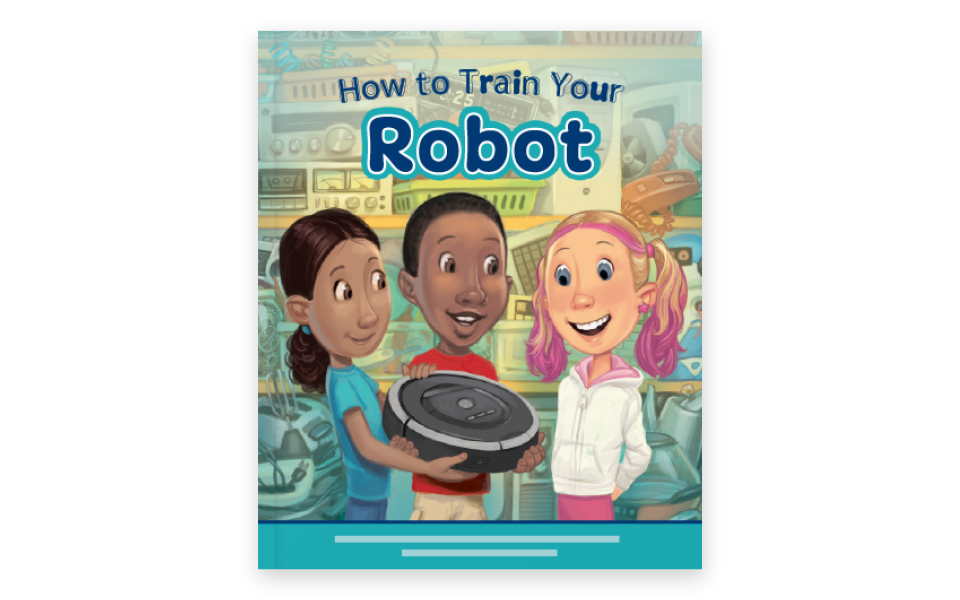
S2-05: Moving students forward with project-based learning

A promotional image for the podcast "Science Connections" featuring guest Janis Lodge and the topic "Moving students forward with project-based learning." Season 2, Episode 5.

In this episode, Eric Cross sits with K–5 educator Janis Lodge to chat about building on her own science curriculum to create meaningful project-based learning experiences. Janis shares her work teaching Gifted and Talented Education (GATE), and how to use those practices to help accelerate the learning of all students. Eric and Janis also talk about making time for science within K–5 classrooms. Explore more from Science Connections by visiting our main page.

DOWNLOAD TRANSCRIPT

Janis Lodge (00:00):
To me, the reward of having those kids feel like they accomplished something and the way that they can take ownership of it and go in so many different directions, I cannot take that away from them. That’s such an opportunity that if I have the means to do it, I have to just take it and run with it.

Eric Cross (00:18):
Welcome to Science Connections. I’m your host, Eric Cross. My guest today is Janis Lodge. Janis is a third-grade teacher in Orange County, California, with a specialization in gifted and talented education. Recently, Janis was awarded the Orange County Council for the Gifted and Talented Education Classroom grant. This grant funds a project that provides an extension to her third-grade science unit about environments and survival. Through this project, students will think like a biomimicry engineer as they design a robot that is inspired by an innovation found in nature. In this episode, we discuss how she uses interdisciplinary teaching practices to make time for science learning; why gifted and talented education strategies can benefit all students; and her process for creating a problem-based lesson that ultimately earned her a grant for her classroom. And now, please enjoy my conversation with Janis Lodge. One, welcome! Thanks for being here.

Janis Lodge (01:14):
Of course, I am happy to do it. I’m excited for the opportunity.

Eric Cross (01:17):
Of course! Yeah. Elementary school teachers in science, I feel like there’s so many things to have conversations about. And some of the things that you’ve really focused on, I think, are, really, really important. But I wanna start off with your journey of you becoming a teacher in the classroom. And so, would you kind of give your background, your origin story? How did you end up as a third-grade teacher?

Janis Lodge (01:37):
Well, my story is definitely not a traditional story. Before I was a teacher, I was actually living in Maui, Hawaii. I moved there right after college. I went to Chico State in Northern California. And I got a degree in graphic design. And after I graduated, well, I should give a little bit of a backstory. My last summer before graduating, I spent the whole summer in Maui and I just fell in love with it. So when I graduated, I decided instead of applying for jobs in Northern California, I’m just gonna put some resumes out in Maui and see if I can get a job. And I did. I ended up getting a job doing graphic design and marketing for a kite surf company out there. And I ended up just staying for seven years on the island. And after about seven years, I kind of got a little bit of island fever and decided I wanted to come back to California. I wasn’t sure exactly what I wanted to do, but I just had this calling that I need to do something a little more fulfilling with my life. And I started thinking about different ideas and dreams I had. And I actually started thinking about when I was younger, right? I had this dream. If you were to ask me when I was 10 years old what I wanted to be when I grow up, it would be elementary school teacher.

Eric Cross (02:48):
Really?

Janis Lodge (02:48):
Believe it or not. When I was younger, I transformed my bedroom into a classroom. My stuffed animals were my students. I just thought I’m gonna be the next best teacher ever. And you know, as I went through life and kind of went in different directions, I kind of lost sight of that dream a little bit. But for some reason, when I decided to change careers, I just remembered that. And so I just decided to go get my teaching credential and see if it worked out. And it was probably the best decision I made. I feel like everything just fell perfectly into place. I ended up getting a job at an amazing school, and now, five years later, I’m a third grade teacher.

Eric Cross (03:28):
So one of the questions I have to ask, and talking to elementary school teachers, this comes up a lot: How do you make time for science as an elementary school teacher who’s teaching everything? And let me kind of premise this with, at least for those of us in California, and I’m sure the rest of the states too, but we know this; There’s kind of this pressure with pacing and then even, depending on what school you’re at, math and English tend to get the bulk of things. And maybe there’s this perception also of like, well, I gotta teach math and English, and sometimes science gets put to the back burner for different reasons.

Janis Lodge (03:57):
Well, you’re exactly right. The beginning of the year, we were provided with a pacing from the district. And you know, they try to keep us on track, saying, “You should be starting Unit 2 at this time.” But other than that, there’s really no specific guidelines of how many days we’re supposed to be teaching or for how long. But one kind of secret that I’ve discovered is that I can weave science into the other subjects, specifically with language arts. So quite often what I do is I take a look at the language arts standard, and if it’s identifying the key details and the main idea, well I can do that with the science books used from the curriculum. So I’ll just pull those readers and we’ll do the exact same skill, start with the same standard, but we’ll use the content from science. By doing that, we call that kind of like interdisciplinary study. And the students really enjoy that more, too, because they’re using the same skills but they’re diving deeper into the content.

Eric Cross (04:54):
Right.

Janis Lodge (04:55):
And so also that helps build the background knowledge. So then when it comes to time where, if I want to do a science lab or a science investigation, now they already have that background knowledge ’cause we already dove deep into the reading and they can apply that pretty quickly right away into their lab or whatever activity they’re doing.

Eric Cross (05:12):
Can you give an example maybe of how you might pull out something that might be a skill that you’re trying to develop, maybe in an English content, but you would pull that out in a science lesson, maybe? What would you do?

Janis Lodge (05:25):
We’re actually doing that right now. So we’re in our second unit of science and they’re studying inheritance and traits and they’re looking at different organisms to see how they have adaptations to help them survive in their environment. So coincidentally part of the literacy skills is to look at multiple sources, do research, and summarize and make analysis of what they’re reading. And so we have different varied resources. I have websites; I have books, ebooks, videos, and pictures. And they’re choosing which four sources they want to use. And then, then they’re coming up with a summary at the end and then putting together a Google Slides presentation based on whatever organism that they chose.

Eric Cross (06:05):
Did you have a science background before becoming an elementary school teacher?

Janis Lodge (06:11):
Um, none. Besides what I, you know, took in high school and college.

Eric Cross (06:16):
Did you find it easy to kind of lean into the science, or was it something you just kind of jumped into and said, “All right, I’m gonna get after it”?

Janis Lodge (06:23):
What’s interesting is if, you know, throughout my education, my favorite subjects were English and reading and writing and art. And quite honestly, science wasn’t my favorite subject. But I think because of that, that inspires me to come up with creative ways of presenting the information to them and making it exciting and engaging for them, because I don’t want them to feel that way. I want them to be excited about all subjects. And I think that’s the beauty of combining the different subjects like I mentioned before. Like I say, you know, “What would a scholar do? Think like a wildlife biologist. And like with my project, think like a biomimicry engineer.” And so it kind of shifts their thinking. Like, it’s not just, “Oh, we have to study science.” It’s like, “No, you are the scientist; you are a meteorologist; or you are an author. How would an author write about this? How would an illustrator capture this in a photo or a comic strip?” And so, when you really combine those disciplines, you can take it to another level. So even if science isn’t their favorite subject, like maybe it wasn’t for me growing up, they can still take something they’re passionate about and apply the science content to it and they really resonate with them.

Eric Cross (07:37):
You leaned into your strengths. Which are more like, coming into it, you had all these kind of creative strengths. You have that background as a graphics designer. You were into the arts. But then with those strengths, did that kinda give you more confidence to dive into the science work, because you approached it from your assets that you were already coming to the table with?

Janis Lodge (07:55):
Yeah.You said it perfectly. If you look at it from a different lens, there’s all these different ways you can approach science.

Eric Cross (07:59):
I find it in my own science class, too. We’re all teaching the same standards. But how I approach it is through Eric Cross’s kind of personality and understanding and my angle, and another teacher might do it a different way. But we’re all leading to the same destination.

Janis Lodge (08:14):
Exactly.

Eric Cross (08:15):
That kind of leads me to my next question, and this is having to do with the project that you just alluded to. The biomimicry project. So you did a biomimicry project. Would you consider that like a project based-learning assignment?

Janis Lodge (08:26):
Well, this will be the third year that I’ve taught this unit. And when I wrapped it up last year, it’s through the Amplify Science program, and they do a wonderful job of having a lot of investigations and really thinking like a biomimicry engineer. But the final part of the unit was to design a robot inspired by a giraffe, to eliminate invasive plants in a particular environment. And the project part of it at the end was to create a model using Popsicle sticks and pipe cleaners. And then the other part of it was a digital simulation where they would put in different shape structures of teeth, and kind of reconfigure the shape of the mouth. And then they’d put in what they think is effective, and then the computer would say, oh, you’re 98% successful or 70% successful. And I remember at the end of it the students were like, “OK, well when do we make the robots?” And I thought, “Well, we’re just doing the simulation, or we’re just doing this model out of Popsicle sticks; we’re not actually gonna make a robot.” And they just seemed so disappointed. And that’s kind of how the wheels started turning my head like, “Well, what if they actually could make a robot? The only thing stopping me is I don’t have the materials to do it.” So, shortly after that unit wrapped up, coincidentally I saw the email about this grant opportunity that was being offered through the Orange County Council for Gifted Education. And they said, If you have a project that you wanna get funded that would promote GATE strategies within the classroom, then you can submit this proposal. So that’s how the ball got rolling for that proposal. And I researched different robotics kits and different companies and I found one that was really user-friendly for third graders, and not so difficult for me to learn as well.

Eric Cross (10:10):
You’re a risk taker. Like, I’m already seeing this as I’m talking to you. Is that just who you are or do you have a network? Like what keeps you taking these risks?

Janis Lodge (10:18):
I don’t really consider it a risk, because it’s exciting for me. Like I said, I don’t know that much about robotics, but the idea of learning more and then teaching that to my students is exciting. And you know, there was a little bit of risk ’cause I’m deviating a little bit from the curriculum, from the standard lesson, but to me, the reward of having those kids feel like they accomplished something, and the way that they can take ownership of it and go in so many different directions, and on top of that, develop coding skills and computer science skills and robotic skills, to me it was just like I cannot take that away from them. That’s such an opportunity that if I have the means to do it, I have to just take it and run with it. So I think just being inspired by the potential outcomes of what could happen is what made me take that risk.

Eric Cross (11:05):
Did you just kind of create this from scratch? Did you work with a team of people? How did you come to the point where you were ready to present this for the grant?

Janis Lodge (11:12):
Pretty much from scratch. Like I said, the Amplify unit, it does teach them about robotics that were inspired by nature. So some of the materials that they read, and there’s some videos that show really great examples. There’s like a robotic arm that was inspired by an elephant trunk. There’s a book that shows what this field is, biomimicry engineer, they actually show like what they do in that field. And I thought this is a perfect way to apply it because the curriculum’s already pretty much set it up for me; now I just have to add this one final component to it. And essentially it becomes project-based learning at that point, because they’re taking their knowledge and their skills that they’ve learned up to that point. Even the unit that we’re doing doing right now is building up to it. So it’s kind of that final—instead of giving them a test at the end and saying, “OK, tell me what you learned about inheritance and traits and environments,” they can actually take that knowledge and apply it to an innovation or creation that comes out of their own mind, which is so much more powerful.

Eric Cross (12:11):
Do they connect to any other learning goals as they’re doing these projects?

Janis Lodge (12:15):
Well, I think first and foremost, the 21st century skills that from day one I tell them, the four Cs: collaboration, creativity, communication, and critical thinking. All of those are woven in through this lesson. From the beginning, we talked about the whole engineering design process. So from the beginning, they start with a question and oftentimes that actually can be the hardest for them to think about, “What’s a scientific question or a problem that I wanna solve?” If they’re passionate about, maybe, a sport or the environment or something within their school, I go, “There it is. OK, that’s the problem. How can you design something inspired by nature to solve that problem?” And then, from there they go into the planning and the designing and the testing and then the improving. So going through that engineering design process, I think, is what really makes them feel like they are the engineer going through this. And they can make mistakes. They can take risks. A lot of my students I’ve found are afraid to take risks. They wanna make sure they succeed. And they need that challenge to know that if they do fail, that’s OK. We can just revisit this. We can test it. We can look at it in a different way.

Eric Cross (13:27):
You maybe wonder about, how do you assess something like this?

Janis Lodge (13:30):
I think that’s where all those stages along the way are important. Because I wanna make sure that they have a plan and that it’s based on the knowledge that they’ve gained in the unit. I think one of the other things about project-based learning is the final product of how they demonstrate their mastery. And in my classroom I oftentimes give them a choice of how they’re gonna present that to me. So maybe they’re going to write it out like an essay. Maybe they’re gonna create a Google slide. Maybe they’re gonna make a video. Maybe they’re going to—obviously in this part they will have the model, but they’ll have to have some way to explain it to me. And I think giving them that choice gives them the opportunity to show it in the way that’s meaningful to them.

Eric Cross (14:14):
And are you using like a rubric when you’re grading these assignments? Or, how do you actually grade it?

Janis Lodge (14:20):
Yes. So we have a rubric that’s provided to us for the written component that all the students will do at the end. But I can take that same rubric and see if they’ve applied that to the project. So even the verbiage wouldn’t really need to change. I think it’s still important that the students are able to demonstrate this in written form and so all of them will still complete that written component, but to also give them the opportunity to show that in the modality of their choice. I think is really important too.

Eric Cross (14:48):
Right. And you have some students that feel much more comfortable being able to present orally versus—

Janis Lodge (14:53):
Exactly.

Eric Cross (14:53):
—versus writing versus maybe doing a video. I mean, we see that in middle school and in high school too. Students show their knowledge or their understanding of a topic depending on the medium in different ways, and some better than others. Some may find that they can communicate it a lot better orally, but when pen goes to paper or fingers go to keyboard, you might grade it completely different, ’cause they’re not able to transfer what’s in their mind into writing. And the way you’re doing it, and giving that student choice, they probably have so much more buy-in, I’d imagine, because they get to pick what they get to do.

Janis Lodge (15:21):
Right.

Eric Cross (15:22):
You said something earlier and I wanna come back to it. So you mentioned GATE, and GATE is not something that I hear a lot in my world, but it was something I heard a lot when I was in school. There were kind of all of these perceptions and ideas about GATE. You’re a GATE teacher, correct?

Janis Lodge (15:38):
Right.

Eric Cross (15:39):
What is GATE, and what is it like being a GATE teacher? What are the misconceptions, if any, that you might have heard or come across?

Janis Lodge (15:46):
Well, so GATE stands for Gifted and Talented Education. And first and foremost, I think a misconception is that we’re just kind of doing whatever we want; we come up with our own lessons and teach a totally different curriculum. Which is definitely a myth. Because we start with the exact same standards as any other third grade class that you’d walk into. That’s definitely where we start. But I think in addition to the standards, we also implement what are called GATE standards: So they’re Depth, Complexity, Acceleration, and Novelty. And there’s a lot of tools that we use in the classroom, different strategies. You’ll see things like the prompts of Depth and Complexity. We’ll use things like “think like a disciplinarian”; I’m doing “think like a biomimicry engineer.” But really, all they are are just thinking tools and strategies to elevate students thinking and kind of go below that surface level of the content to dive deeper. It also provides opportunities for acceleration. So for example, our last science unit, it was on magnetic force, and there was a handful of students that just grasped the concepts right away, and they’re ready for something else. They’re ready for more rigor. They need some challenge. And so at that point I can kind of pull that group aside and provide some differentiation for them. And I said, “OK, well, you understand the concept of magnetic force, balanced forces. So now what I want you to do is think about something that you’re really passionate about, and how could you use magnetic force somewhere in that field—again to solve a problem, problem-based learning—and present it to me?” So they create this form, it’s like a “think like a disciplinarian” frame, and one of them was “think like a hockey player.” And he’s trying to think of a way that he can incorporate magnetic force. Anyway, I could go on and on. But basically it’s finding what these students’ passions are. And I do that with all my students. And I should probably preface this by saying that even though these are standards that I implement in my classroom because it’s a GATE classroom, these are practices and tools that can be applied to any learner, at any age. And they really just enrich the education for all students.

Eric Cross (18:02):
So your classroom is, is a mixed classroom. There’s GATE students and then general—

Janis Lodge (18:05):
Right.

Eric Cross (18:07):
—students, non-GATE students, in the same class. It’s interesting because I imagine GATE is kind of scaffolding up to a higher level, but then, you also said something that I’ve noticed when I’m creating scaffolds for my students to support them, who may not be at a grade level, maybe in reading or literacy or math, those same scaffolds can help all students.

Janis Lodge (18:27):
So yeah, I don’t just go, “OK, you’re my GATE students; I’m gonna use these practices on you.” I use it for the whole class. But I’m also surprised by having that mix of these different learning styles. A lot of times students are inspired by other students, or, you know, we have this big thing about one of the prompts is Multiple Perspectives. I try to do that as much as I can, because students are inspired by the ideas of their peers. And quite often, if they hear it from a peer, it could be exactly what I just said, but they heard their student say it in a different way and it just clicks and they’re like, “Wow, I get that.”

Eric Cross (19:00):
I think a lot of teachers struggle or, or maybe feel ill-equipped, to support higher-level students. Did you get trained to be a GATE teacher? First lemme ask that question: Did you get special training for this?

Janis Lodge (19:13):
Yes. I went through a course, I think it was like a six-week certification course, through my district.

Eric Cross (19:19):
OK, so you got a special training, which—I’ve been in the classroom for nine years; I teach at a university as an adjunct professor; but I’ve never been trained on teaching gifted or accelerated students. And I’m kind of wondering now, like, do you feel like it made you a better teacher?

Janis Lodge (19:33):
Absolutely.

Eric Cross (19:34):
And if so, how do I get to do this?

Janis Lodge (19:36):
Well, it’s through the county. I mean, anybody can get trained and certified how to teach this way. But, just like you said, I think coming out of that, my eyes were just open, and my biggest takeaway is that these practices, even though they are designed for gifted and talented, it really kind of reshaped my thinking about how I, number one, present material to the students, that I’m doing it in an engaging way, and I’m not just lecturing at them; there’s opportunities for them to collaborate and communicate and use multiple resources. So, you know, how I’m teaching has changed. And then also, how I’m providing opportunities for them to demonstrate their learning. And a lot of that is project-based learning, because once they have the knowledge and skills they need to do something with it. I mean, that’s really the true definition of innovation, is taking the skills or taking something that you’ve learned, and now go with it. Run with it.

Eric Cross (20:32):
How can we take what you’ve learned and then kind of spread it, so teachers have this in their toolkit, too? Like for me, I have multiple ways to be able to support reading and literacy and math and tools and sentence frames. And my students who have special learning plans, I have a have a lot of tool sets for that. I wanna build my tool sets for this other area for my students who want to continue, who wanna run, or go beyond, or even stretch themselves. I think we need to take some of the things that you’re doing and not make them kind of like this exclusive group, but also let’s share it with everyone, ’cause if everybody can access it—

Janis Lodge (21:03):
I agree.

Eric Cross (21:03):
—we might see a lot more potential or a lot more opportunities for students who might not otherwise have them.

Janis Lodge (21:08):
And one thing: My school, I’m really proud to say that my principal has seen that. You know, he’s like, “Well why are we just keeping this in the GATE classroom?” So he’s working on getting all of our teachers certified.

Eric Cross (21:19):
No, I love what you’re doing and your principal sounds, sounds awesome for doing that and recognizing that this can benefit more students than just the ones who, you know, pass the Raisin Test, I think it’s what it was called when I was taking it, or whatever it is back then.

Janis Lodge (21:31):
Exactly.

Eric Cross (21:32):
We’ve talked about project-based learning, the GATE classroom…I kind of wanna come back to you as we wrap up. Thinking about, like, the jobs that you and I do, and the people that listen to this podcast, we have one of the few jobs that people remember us for a lifetime. And I wanna ask you, who was someone that was maybe inspirational in your educational career, that inspired you, or is maybe one of the most memorable? You might have several…but who is someone that was memorable to you in your career, and why? Why were they memorable to you?

Janis Lodge (22:02):
Yeah. Well, obviously, when I was younger, I was definitely inspired by all my teachers. The fact that I turned my bedroom into a classroom…I just was just in awe of this profession. But I think one that really resonated with me was my junior year in high school. I was taking a newspaper class and the teacher was Mrs. Kavanaugh, and she really taught us everything from writing the articles to the editing, to putting the pages together. And I remember in that class I was working on this program called QuarkXPress. I don’t even know if it exists anymore. But I was just fascinated with putting all these pieces together that we’d worked on for so long and getting the articles, picking the pictures, the illustrations and the titles. And I remember her looking at me saying, “You really enjoy this, don’t you?” And I said, “Yeah.” And she said, “Well, I have a computer graphics elective class that you should take next year.” And I thought, “OK, I’d love to do this, this opportunity to expand my knowledge and my skills.” So because of that, I took the computer graphics class the next year and I just remember throughout the whole time, she was just constantly encouraging me and acknowledging my skills. And I find myself doing that as a teacher as well. ‘Cause that really resonated with me. And it’s funny, this summer I was going through some boxes of some old stuff from high school, and I found this handout that I had made, because I remember my senior year of high school, she said, “Janis, you know what? You’re doing such a great job; we have these new, incoming students coming into the newspaper class, and I’d love for you to actually teach them how to do this pagination on this QuarkXPress program. I want you to put something together and actually teach it to them.” I thought, “Wow, she believes in me that much that she’s gonna let me teach this to the incoming students.” But I think my takeaway from that was that she gave me the opportunity to take those skills and actually do something with them, to apply them right away.

Eric Cross (23:53):
Mrs. Kavanaugh. Miss Kavanaugh. Shout-out to Miss Kavanaugh. As you told that story, I heard you as a teacher because I’m hearing she’s applying these GATE strategies in that situation. That’s what that’s what I heard.

Janis Lodge (24:08):
Yeah, absolutely.

Eric Cross (24:09):
She personalized this learning. She created a specialized opportunity. You presented to a real audience that was authentic. It had this personalization in it and this rigor and this challenge and it made a huge impact. And it’s just amazing to listen to you and hear this come full-circle, and now you’re doing this with little ones. And I just wanna thank you for your time in doing the interview, sharing your story with how you became a teacher, your students, the projects that you do. And just like so many teachers, going the extra mile for your kids and bringing in these really important 21st century skills; they’re gonna be so much better off for it. And I know it makes my job easier when I get them in the classroom, so thank you.

Janis Lodge (24:49):
Yeah. Well, thank you for the opportunity.

Eric Cross (24:51):
My pleasure. Thanks so much for listening and we wanna hear more about you and the educators who inspire you. You can nominate them as a future guest on Science Connections by emailing STEM@amplify.com. That’s S -T-E-M at amplify dot com. And be sure to click subscribe, wherever you listen to podcasts, and join our Facebook group, Science Connections: The Community. Until next time.

Stay connected!

Join our community and get new episodes every other Wednesday!

We’ll also share new and exciting free resources for your classroom every month!

What Janis Lodge says about science

“The reward of having kids feel like they accomplished something and take ownership is such an opportunity [with project-based learning] that I have to run with it. Being inspired by the potential outcomes of what could happen is what made me take that risk.”

– Janice Lodge

3rd Grade Teacher, De Portola Elementary

Meet the guest

Janis Lodge is a third grade teacher in Orange County, California. Her career in education started six years ago when she decided to follow her passion of making a positive difference in the lives of young scholars. Prior to teaching, Janis lived in Maui, Hawaii for seven years, working in the field of graphic design, marketing, and hospitality. She has found that her interest in innovation, project-based learning, and inquiry-driven exploration has helped shape her into the educator she is today. STEAM is integrated regularly into her classroom, and her students continually develop 21st century skills through a variety of unique projects. ​​Janis is also a PAL (Peer Assistance Leadership) Advisor for her school, where she helps young leaders (4th-6th graders) cultivate their leadership skills and empowers them to make a positive difference in their school and community. Janis was recently awarded the Orange County Council for the Gifted & Talented Education Classroom Grant, which will provide an extension to the third grade Amplify Science Unit: Environments and Survival.

A woman with long blonde hair smiles at the camera; she is inside a circular frame with a small decorative star in the corner.

About Science Connections

Welcome to Science Connections! Science is changing before our eyes, now more than ever. So…how do we help kids figure that out? We will bring on educators, scientists, and more to discuss the importance of high-quality science instruction. In this episode, hear from our host Eric Cross about his work engaging students as a K-8 science teacher. Listen here!